
The Unsung Hero: Decoding the World of coffee Table Bases
The coffee table: a humble piece of furniture, often overlooked, yet central to the living room experience. It’s a stage for our morning rituals, a platform for impromptu gatherings, and a resting place for our favorite books and remote controls. While the tabletop often steals the spotlight, it’s the coffee table base that provides the essential foundation, dictating stability, style, and overall functionality. This lengthy exploration will delve into the diverse world of coffee table bases, dissecting their types, materials, and design considerations to help you choose the perfect support for your living space.
Before diving into aesthetics, it’s crucial to acknowledge the fundamental role of the coffee table base: providing unwavering support for the tabletop. A well-designed base ensures the table remains level and sturdy, preventing wobbling or tipping. This is especially important for larger or heavier tabletops.

The variety of coffee table base designs is vast, catering to diverse aesthetic preferences and functional needs. Let’s explore some common types:
1. Pedestal Bases: A Central Pillar of Style
Pedestal bases, characterized by a single central support, offer a clean and minimalist aesthetic. They are particularly well-suited for round or oval tabletops, creating a sense of openness and visual lightness.

1.1. The Classic Pedestal:
This design typically features a wide, flat base that gradually narrows into a central column.
1.2. Tripod Pedestals: A Modern Twist:
These bases feature three legs radiating from a central point, offering a more contemporary and dynamic look.
2. Legged Bases: The Traditional Foundation
Legged bases, featuring four or more individual legs, are the most common type of coffee table support. They offer a classic and versatile design that can be adapted to various styles.
2.1. Straight Legged Bases: Simplicity and Functionality:
These bases feature straight, vertical legs, offering a clean and understated look.
2.2. Tapered Legged Bases: A Touch of Elegance:
Tapered legs, narrowing towards the bottom, add a touch of sophistication and visual interest.
2.3. Splayed Legged Bases: Mid-Century Flair:
Splayed legs, angled outwards, are a hallmark of mid-century modern design.
2.4. Cross Legged Bases: Robust and Rustic:
Cross legged bases, featuring legs that intersect to form an “X” shape, offer a robust and rustic aesthetic.
3. Platform Bases: A Solid Foundation
Platform bases, featuring a solid or partially solid base that rests directly on the floor, offer a contemporary and substantial look.
3.1. Solid Platform Bases: Modern Minimalism:
These bases feature a single, continuous platform, creating a clean and minimalist aesthetic.
3.2. Open Platform Bases: Visual Lightness:
These bases feature a platform with cutouts or open spaces, offering a lighter and more airy look.
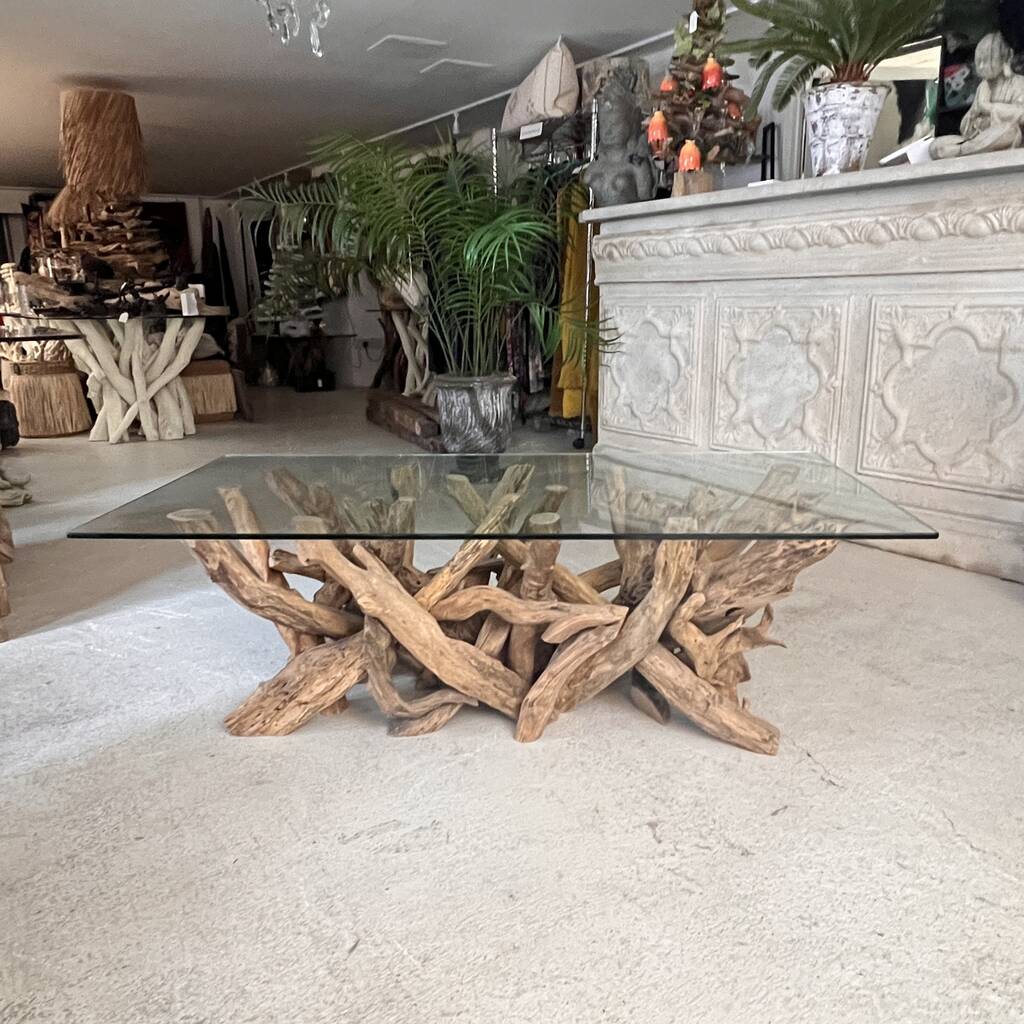
4. Novelty Bases: Embracing the Unique
Beyond the traditional designs, a wide range of novelty bases cater to unique aesthetic preferences and functional needs.
4.1. Sculptural Bases: Artful Expression:
These bases feature intricate and artistic designs, often resembling sculptures.
4.2. Storage Bases: Functionality and Style:
These bases incorporate storage compartments, such as drawers or shelves, offering practical solutions for organizing living room essentials.
The material of the coffee table base significantly impacts its durability, aesthetics, and overall style. Let’s explore some common materials:
1. Wood: Timeless Warmth and Versatility
Wood remains a popular choice for coffee table bases, offering a warm and inviting aesthetic. It’s available in a wide range of species, each with its unique grain pattern and color.
1.1. Solid Wood: Durability and Natural Beauty:
Solid wood bases offer exceptional durability and a natural, organic look.
1.2. Engineered Wood: Affordability and Consistency:
Engineered wood, such as plywood or MDF, offers a more affordable alternative to solid wood.
2. Metal: Modern Strength and Elegance
Metal bases offer a sleek and contemporary aesthetic, characterized by clean lines and a sense of industrial chic.
2.1. Steel: Robustness and Versatility:
Steel bases offer exceptional strength and durability.
2.2. Iron: Rustic Charm and Durability:
Iron bases offer a rustic and vintage aesthetic, characterized by their textured surface and dark finish.
2.3. Aluminum: Lightweight and Corrosion-Resistant:
Aluminum bases are lightweight and corrosion-resistant, making them ideal for outdoor or humid environments.
3. Glass and Acrylic: Transparency and Lightness
Glass and acrylic bases offer a unique and ethereal aesthetic, characterized by their transparency and lightness.
3.1. Glass Bases: Refined Elegance:
Glass bases offer a refined and elegant look, allowing light to pass through and creating a sense of openness.
3.2. Acrylic Bases: Modern Versatility:
Acrylic bases offer a modern and versatile look, available in various colors and shapes.
Choosing the perfect coffee table base involves considering various design factors to ensure harmony between style and functionality.
1. Tabletop Compatibility: Size and Shape:
The size and shape of the tabletop should dictate the appropriate base type and dimensions.
2. Interior Style: Aesthetic Harmony:
The coffee table base should complement the overall interior style of the living room.
3. Functionality: Practical Needs:
Consider the functional needs of the coffee table.
4. Height and Proportions: Visual Balance:
The height of the coffee table base should be proportional to the height of the surrounding furniture.