The Alchemy of the Bean: Inside a Modern Roasted coffee Laboratory
The aroma alone is a siren song, a complex symphony of toasted caramel, dark chocolate, and subtle fruit notes. But behind the enticing fragrance lies a world of meticulous science and passionate artistry: the roasted coffee laboratory. This isn’t just a place to roast beans; it’s a sanctuary of experimentation, a crucible where raw potential is transformed into liquid gold.
In this deep dive, we’ll explore the inner workings of a modern roasted coffee laboratory, uncovering the processes, technologies, and philosophies that drive the pursuit of perfect flavor.
The Foundation: Sourcing and Green Bean Analysis
The journey begins long before the first bean hits the roaster. The laboratory’s work starts with the careful selection of green coffee beans. Sourcing is a critical process, demanding a deep understanding of coffee origins, varietals, and processing methods.
Direct Trade and Ethical Sourcing: Many laboratories prioritize direct trade relationships with farmers, ensuring fair compensation and fostering sustainable practices. This allows them to trace the coffee’s journey from farm to cup, enhancing quality control and transparency.
Green Bean Evaluation: Upon arrival, the green beans undergo rigorous analysis.
Moisture Content: Measuring moisture content is crucial, as it directly impacts roasting consistency. Too much moisture can lead to uneven roasting and undesirable flavors, while too little can result in scorching.
Bean Density: Density analysis reveals the bean’s internal structure and potential roasting profile. Denser beans often require more heat and time to develop their full flavor.
Screen Size Analysis: This determines the bean size distribution, ensuring uniformity and consistent roasting.
Defect Analysis: Visual inspection and sorting are essential for removing defective beans, which can impart off-flavors.
Water Activity: Water activity is another measure of unbound water in the green coffee. This affects the shelf life of the green beans and how they interact with heat during roasting.
The Heart of the Lab: The Roasting Process
The roasting process is where the magic happens, transforming the green, grassy-smelling beans into the aromatic, flavorful coffee we know and love.
Roasting Profiles: Roasting profiles are meticulously crafted recipes, dictating the time and temperature parameters for each batch. These profiles are developed through extensive experimentation and sensory analysis.
Roasting Machines: Modern laboratories employ sophisticated roasting machines equipped with precise temperature controls and data logging capabilities.
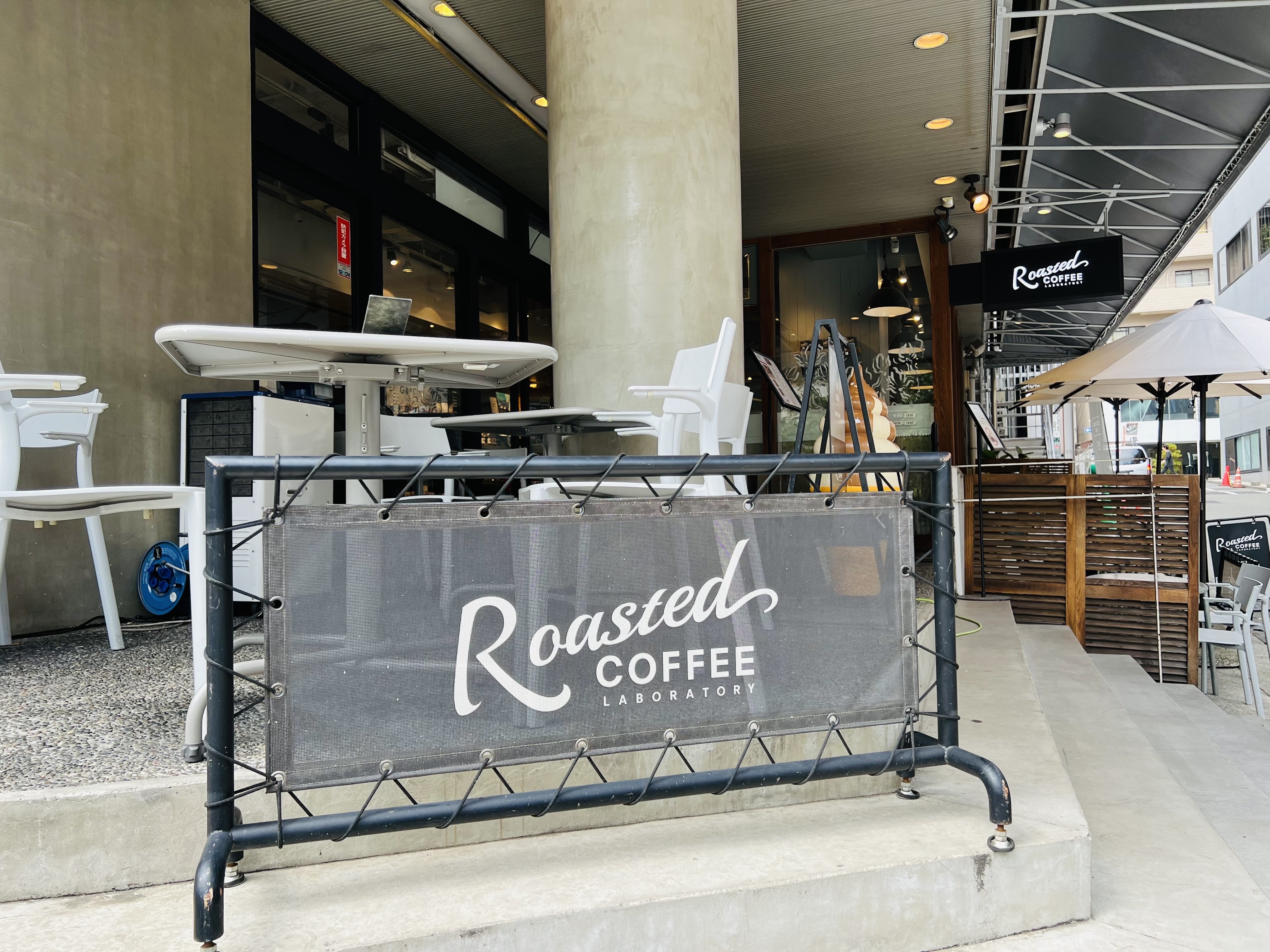
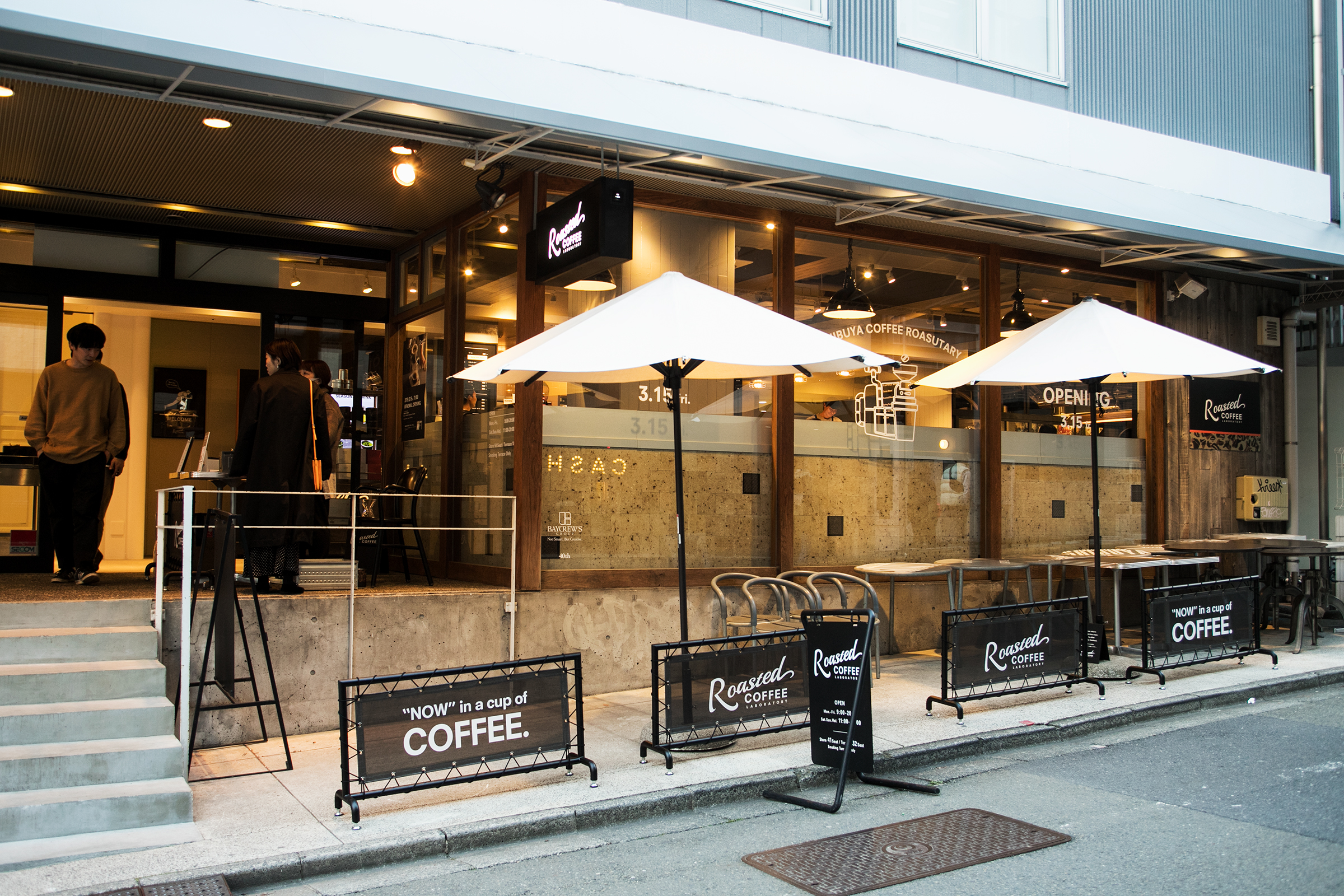
Roasted Coffee Laboratory reborn. A report on the talk & live
Drum Roasters: These traditional roasters use a rotating drum to expose the beans to hot air. They offer excellent control and are widely used for specialty coffee.
Fluid Bed Roasters: These roasters use hot air to levitate the beans, providing even heat distribution and rapid roasting.
Sample Roasters: Small-batch roasters are essential for testing new profiles and evaluating green bean quality.
Real-Time Monitoring: During roasting, the temperature of the beans, the ambient temperature, and the rate of rise are constantly monitored. Data logging software captures this information, allowing roasters to track and adjust the process in real time.
The Maillard Reaction and Caramelization: These complex chemical reactions are responsible for the development of coffee’s characteristic flavor and aroma. The Maillard reaction involves the interaction of amino acids and sugars, while caramelization involves the browning of sugars.
First Crack and Second Crack: These audible cues indicate significant stages in the roasting process. First crack signifies the release of steam and carbon dioxide, while second crack indicates the breakdown of cell walls and the release of oils.
Roast Level Determination: Roast level is determined by the color of the roasted beans, which is measured using a color analyzer. Light roasts typically exhibit brighter, more acidic flavors, while dark roasts display bolder, more bitter notes.
The Art of Sensory Analysis: Cupping and Flavor Profiling
Once the beans are roasted, the laboratory’s work shifts to sensory analysis. Cupping is the standardized method for evaluating coffee quality and flavor.
Cupping Protocol: The cupping protocol involves grinding the roasted beans, steeping them in hot water, and evaluating the aroma, flavor, acidity, body, and aftertaste.
Flavor Descriptors: Cuppers use a standardized vocabulary to describe the nuances of coffee flavor, including terms like floral, fruity, nutty, chocolatey, and spicy.
Sensory Training: Sensory training is essential for developing the ability to discern subtle flavor differences. Cuppers undergo rigorous training to calibrate their palates and ensure consistency in their evaluations.
Flavor Profiling: Flavor profiling involves creating a detailed description of a coffee’s flavor characteristics, which can be used for quality control, blend development, and marketing.
Aroma Kits and Sensory Panels: Labs frequently use aroma kits to train staff to identify specific aroma compounds. Sensory panels of trained tasters are used to validate roast profiles and provide feedback on new coffee offerings.
Technological Advancements in the Coffee Lab
Modern coffee laboratories are embracing technology to enhance precision, efficiency, and consistency.
Spectrophotometry: Spectrophotometers are used to measure the color of roasted coffee, providing objective data on roast level.
Gas Chromatography-Mass Spectrometry (GC-MS): GC-MS is a powerful analytical technique that can identify and quantify the volatile compounds in coffee aroma. This allows roasters to understand the chemical basis of flavor and aroma.
Moisture Analyzers and Water Activity Meters: These instruments provide precise measurements of moisture content and water activity, ensuring consistent roasting and shelf life.
Data Logging and Analysis Software: Roasting machines are often integrated with data logging and analysis software, which allows roasters to track and analyze roasting profiles in real time.
Artificial Intelligence (AI) and Machine Learning: AI and machine learning are being used to develop predictive models for roasting profiles, optimize sourcing, and improve quality control.
The Role of the Coffee Lab in Product Development and Innovation
The coffee laboratory plays a vital role in product development and innovation, driving the creation of new and exciting coffee offerings.
Blend Development: Blending different coffee origins and varietals allows roasters to create unique flavor profiles.
Experimental Roasting Techniques: Labs are constantly experimenting with new roasting techniques, such as extended roasting times, different heat profiles, and alternative fuel sources.
Fermentation Experiments: Labs will sometimes experiment with different fermentation methods applied to the green beans before roasting.
Cold Brew and Ready-to-Drink (RTD) Development: The laboratory is instrumental in developing recipes and quality control protocols for cold brew and RTD coffee products.
Sustainability Initiatives: Many laboratories are actively involved in sustainability initiatives, such as reducing energy consumption, minimizing waste, and supporting sustainable farming practices.
The Future of the Roasted Coffee Laboratory
The roasted coffee laboratory is constantly evolving, driven by technological advancements and a growing appreciation for specialty coffee.
Increased Focus on Sustainability: Sustainability will continue to be a major focus, with laboratories adopting more environmentally friendly practices and supporting sustainable coffee production.
Integration of AI and Machine Learning: AI and machine learning will play an increasingly important role in optimizing roasting profiles, predicting flavor outcomes, and improving quality control.
Personalized Coffee Experiences: Laboratories may begin to offer personalized coffee experiences, tailoring roasting profiles to individual preferences.
Enhanced Sensory Analysis Techniques: New sensory analysis techniques, such as electronic noses and tongues, may be used to provide more objective and detailed flavor assessments.
Increased Collaboration and Knowledge Sharing: Laboratories will continue to collaborate and share knowledge, fostering innovation and driving the advancement of specialty coffee.
The roasted coffee laboratory is a testament to the dedication and passion of coffee professionals who strive to unlock the full potential of the bean. It’s a place where science and art intertwine, where tradition meets innovation, and where the pursuit of perfect flavor is a never-ending journey.