
The Caffeine Crucible: When Productivity Withers Without the Bean
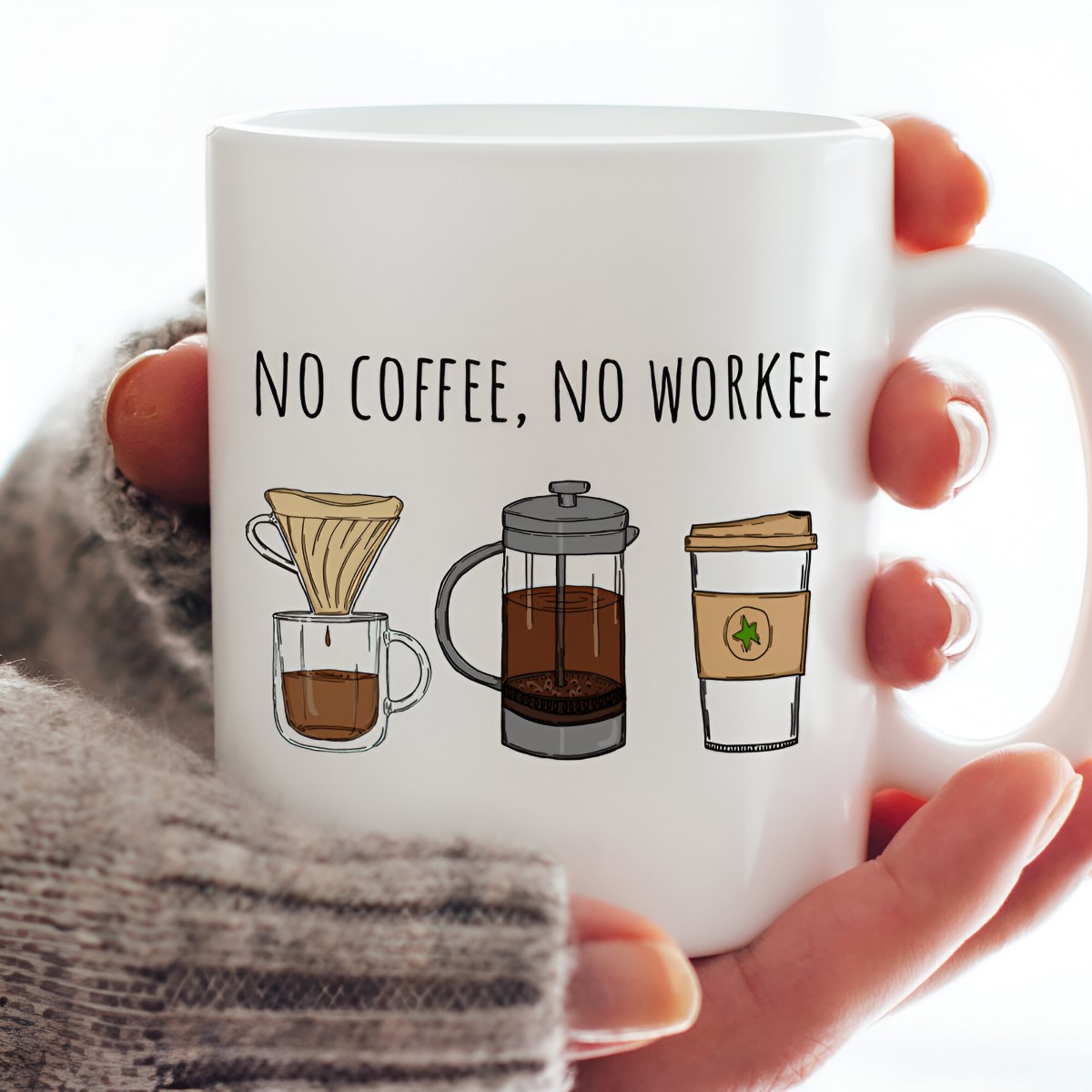
The modern workplace hums with a ubiquitous energy, a collective buzz fueled by deadlines, innovation, and, of course, caffeine. For countless individuals, the morning ritual is non-negotiable: a steaming cup of coffee, the gateway to alertness and focus. But what happens when that vital fuel source is removed? When the caffeine tap runs dry, the gears of productivity grind to a halt, revealing a stark truth: for many, “no coffee” translates to “no work.”
This article delves into the intricate relationship between caffeine and work performance, exploring the physiological, psychological, and sociological factors that contribute to this pervasive dependence. We’ll examine the science behind caffeine’s effects, the personal experiences of those who rely on it, and the broader implications for workplace culture.
The Chemical Catalyst: How Caffeine Powers Our Brains

Caffeine, a natural stimulant found in coffee, tea, and other beverages, works by blocking adenosine, a neurotransmitter that promotes relaxation and sleepiness. By inhibiting adenosine, caffeine increases the activity of other neurotransmitters like dopamine and norepinephrine, leading to heightened alertness, improved focus, and enhanced cognitive function.
The Adenosine Blockade: A Temporary Boost
Caffeine’s primary mechanism of action is its ability to bind to adenosine receptors in the brain. This prevents adenosine from binding, effectively blocking its sleep-inducing effects. The result is a surge in neural activity, leading to a feeling of wakefulness and mental clarity.
Dopamine and Norepinephrine: The Feel-Good Neurotransmitters
Caffeine also indirectly increases the release of dopamine and norepinephrine, neurotransmitters associated with pleasure, motivation, and focus. This explains the sense of euphoria and enhanced concentration that many experience after consuming caffeine.
The Physiological Ripple Effect: Beyond Brain Chemistry
Beyond its effects on neurotransmitters, caffeine also stimulates the central nervous system, increasing heart rate, blood pressure, and metabolic rate. This can lead to a feeling of increased energy and physical performance, further contributing to the perception of enhanced productivity.

The Subjective Experience: Tales from the Trenches
The reliance on caffeine extends far beyond scientific understanding. It manifests in the daily routines and personal anecdotes of countless individuals.
The Morning Ritual: A Non-Negotiable Start
For many, the first cup of coffee is an essential part of the morning routine, a ritual that signals the start of the workday. Without it, the morning feels incomplete, the brain sluggish and unresponsive.
The Midday Slump: Caffeine as a Lifeline
As the day progresses, the effects of caffeine begin to wear off, leading to a midday slump. For many, another dose of caffeine is necessary to maintain focus and productivity.
The Withdrawal Symptoms: A Harsh Reality
When caffeine is abruptly removed, withdrawal symptoms can manifest, including headaches, fatigue, irritability, and difficulty concentrating. These symptoms can significantly impair work performance, highlighting the extent of caffeine dependence.
Personal Anecdotes: From Mild Reliance to Severe Dependence
“I used to think I could function without coffee, but now I can’t even start my day without it. My brain just feels foggy and slow.”
The Sociological Landscape: Caffeine in the Workplace
The prevalence of caffeine consumption has shaped the modern workplace, creating a culture where caffeine is not only accepted but often expected.
The Office Coffee Machine: A Hub of Social Interaction
The office coffee machine serves as more than just a source of caffeine; it’s a hub of social interaction, a place where colleagues gather to chat and connect.
Caffeine as a Social Lubricant: Facilitating Collaboration
Coffee breaks provide opportunities for informal discussions and brainstorming sessions, fostering collaboration and teamwork.
The Pressure to Perform: Caffeine as a Performance Enhancer
In a competitive work environment, there’s often pressure to perform at a high level. Caffeine is seen as a way to enhance focus and productivity, giving individuals a competitive edge.
The Culture of Overwork: Caffeine as a Necessary Evil
In workplaces where long hours and high workloads are the norm, caffeine is often seen as a necessary evil, a way to stay alert and productive despite fatigue.
The Implications of Caffeine Dependence
While caffeine can provide a temporary boost to productivity, its long-term effects and the implications of dependence warrant consideration.
The Cycle of Dependence: A Vicious Circle
Regular caffeine consumption can lead to tolerance, requiring higher doses to achieve the same effects. This can create a cycle of dependence, where individuals become increasingly reliant on caffeine to function.
The Impact on Sleep: Disrupting Restorative Processes
Caffeine can interfere with sleep, particularly when consumed late in the day. Poor sleep can lead to fatigue and reduced cognitive function, further exacerbating the need for caffeine.
The Potential for Anxiety and Stress: Exacerbating Existing Conditions
Caffeine can exacerbate anxiety and stress, particularly in individuals who are already prone to these conditions. This can lead to a negative impact on mental health and well-being.
The Need for Balance: Finding Sustainable Energy Sources
While caffeine can be a useful tool, it’s important to find a balance and explore other sustainable energy sources, such as regular exercise, healthy diet, and adequate sleep.
Alternative Approaches: Beyond the Bean
Recognizing the potential downsides of excessive caffeine consumption, many individuals are exploring alternative approaches to enhance productivity and well-being.
Mindfulness and Meditation: Cultivating Focus and Calm
Mindfulness and meditation practices can help to cultivate focus and calm, reducing the need for external stimulants.
Regular Exercise: Boosting Energy Levels Naturally
Regular exercise can increase energy levels and improve cognitive function, providing a natural alternative to caffeine.
Healthy Diet: Fueling the Brain with Nutrients
A healthy diet rich in fruits, vegetables, and whole grains can provide the brain with the nutrients it needs to function optimally.
Adequate Sleep: Prioritizing Rest and Recovery
Prioritizing sleep is essential for maintaining energy levels and cognitive function. Aim for 7-9 hours of quality sleep each night.
Hydration: Keeping the Brain Functioning
Dehydration can lead to fatigue and reduced cognitive function. Staying well-hydrated is crucial for optimal brain performance.
Conclusion: Rethinking the Relationship
The relationship between caffeine and work productivity is complex and multifaceted. While caffeine can provide a temporary boost, its long-term effects and the implications of dependence should not be ignored.
The Importance of Self-Awareness: Understanding Personal Limits
It’s important to be aware of your own caffeine consumption and its effects on your body and mind.
The Need for a Balanced Approach: Sustainable Energy Strategies
Finding a balanced approach that incorporates sustainable energy strategies is crucial for long-term productivity and well-being.
The Future of Work: Prioritizing Employee Well-being
As workplaces evolve, there’s a growing recognition of the importance of employee well-being. Creating a culture that supports healthy habits and reduces reliance on stimulants is essential for fostering a sustainable and productive work environment.
Moving Beyond Dependence: A Call for Conscious Consumption
Ultimately, the goal is to move beyond dependence and cultivate a conscious relationship with caffeine, using it as a tool rather than a crutch. By exploring alternative approaches and prioritizing well-being, individuals can unlock their full potential and achieve sustainable productivity without relying solely on the bean.