Absolutely! Here’s a 3000-word article about “Flap coffee,” exploring its origins, brewing methods, cultural significance, and modern interpretations, with list items converted to headings.
Flap Coffee: A Journey Through Tradition and Innovation
Coffee, in its myriad forms, has woven itself into the fabric of cultures worldwide. From the bustling cafes of Italy to the serene tea houses of Japan, each region has its unique rituals and preparations. “Flap Coffee,” a term often used to describe a specific brewing technique and the resulting beverage, embodies a fascinating blend of simplicity and depth. This article delves into the origins, methods, cultural significance, and modern adaptations of flap coffee, exploring its journey from humble beginnings to contemporary interpretations.
Origins and Etymology
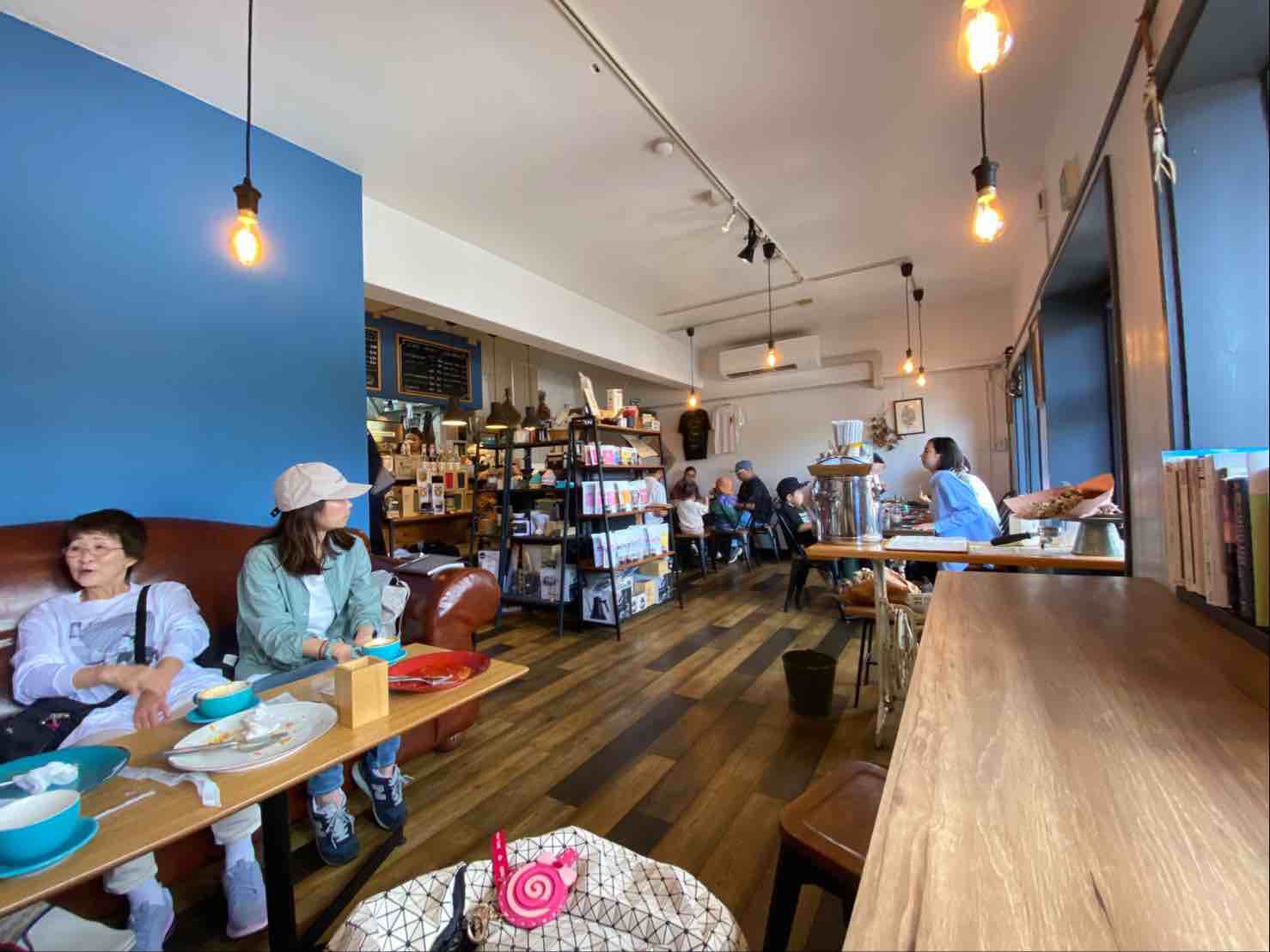
Flap Coffee and Bake Shop Funliday Plan trips • Share memories
The term “flap coffee” is not universally recognized but is often associated with a simple, direct brewing method that involves boiling ground coffee directly in water. The “flap” likely refers to the movement of the grounds as they boil and settle, or perhaps the rapid, almost violent, boiling process itself. This method is often linked to early coffee preparation techniques, particularly in regions where resources were limited and speed was essential.
Early Coffee Brewing Practices:
Before the advent of sophisticated brewing equipment, coffee was frequently prepared by simply boiling ground beans in water. This method, while rudimentary, effectively extracted the coffee’s flavor and caffeine.
In nomadic cultures and during long journeys, simplicity and efficiency were paramount. Flap coffee, requiring only a pot and a heat source, met these needs perfectly.
The origins of this method can be traced to various parts of the world, including parts of Africa, the Middle East, and South America, where traditional coffee preparation often involved boiling.
The Traditional Brewing Method
The traditional method of preparing flap coffee is remarkably straightforward.
Flap Coffee and Bake Shop – Picture of Flap Coffee and Bake Shop
Boiling Water and Grounds:
Water is brought to a rolling boil in a pot.
Ground coffee is added directly to the boiling water.
The mixture is allowed to boil for a short period, typically a few minutes.
Settling the Grounds:
The pot is removed from the heat, and the coffee is allowed to stand for a few minutes, allowing the grounds to settle to the bottom.
Alternatively, some practitioners may add a small amount of cold water to accelerate the settling process.
Pouring and Serving:
The coffee is carefully poured, avoiding the settled grounds.
It is often served black, but milk and sugar may be added according to personal preference.
This method, while simple, requires a degree of skill to avoid over-extraction and ensure that the grounds settle properly. The resulting coffee is typically strong and robust, with a characteristic sediment that adds to its rustic appeal.
Cultural Significance
Flap coffee, in its various forms, holds significant cultural importance in many regions.
A Symbol of Simplicity and Resourcefulness:
In many cultures, flap coffee is associated with a simple, unpretentious lifestyle.
It represents the ability to create a satisfying beverage with minimal resources.
It is often linked to memories of childhood, family gatherings, and rural life.
A Ritual of Community and Hospitality:
In some communities, preparing and sharing flap coffee is a ritual of hospitality.
It is a way of welcoming guests and fostering social connection.
In nomadic cultures, it is a way of sharing warmth and sustenance during long journeys.
A Connection to Tradition:
Flap coffee represents a connection to traditional coffee preparation methods.
It is a way of preserving cultural heritage and passing down knowledge from generation to generation.
In areas where instant coffee and modern brewing methods are widespread, flap coffee can represent a way to reconnect with the past.
Variations and Regional Adaptations
While the basic method remains consistent, flap coffee has evolved into various regional adaptations.
Turkish Coffee:
Turkish coffee is perhaps the most well-known variation of flap coffee.
Finely ground coffee is boiled with water and sugar in a small pot called a cezve.
The coffee is served unfiltered, with the grounds settling to the bottom of the cup.
It is a cultural cornerstone of Turkey and surrounding regions.
Cowboy Coffee:
Cowboy coffee, popular among ranchers and outdoor enthusiasts, is a rough and ready version of flap coffee.
Coarsely ground coffee is boiled in a pot over an open fire.
Cold water or eggshells are sometimes added to help settle the grounds.
It is a symbol of the American West and its rugged spirit.
Greek Coffee:
Greek coffee is very similar to turkish coffee, and the region has a long history of coffee drinking.
It is prepared in a similar manner, and served in small cups.
Latin American Adaptations:
In various Latin American countries, similar methods are used, often with local variations in the type of coffee beans and the addition of spices.
“Café de olla” in Mexico, for instance, is often prepared with cinnamon and piloncillo.
Modern Interpretations and Innovations
In the contemporary coffee scene, flap coffee has seen a resurgence of interest, with baristas and coffee enthusiasts exploring new ways to appreciate its unique characteristics.
Reimagining Traditional Methods:
Some modern baristas are experimenting with controlled boiling and settling techniques to refine the traditional method.
They are exploring different grind sizes and boiling times to optimize flavor extraction.
The use of filtered water and high-quality coffee beans is also contributing to improved flavor profiles.
Hybrid Brewing Techniques:
Some coffee enthusiasts are combining elements of flap coffee with other brewing methods, such as French press or pour-over.
This allows for greater control over the brewing process while retaining the robust flavor of boiled coffee.
Cold Brew Flap Coffee:
Cold brew methods are increasingly popular. A cold brew version of flap coffee can be made by steeping coarse ground coffee in cold water for an extended period, then boiling a portion of that cold brew, and adding it back to the cold brew. This gives a very strong and unique flavor.
Flap Coffee Cocktails:
Bartenders are incorporating flap coffee into innovative cocktails, adding depth and complexity to their creations.
Coffee-infused spirits and liqueurs are also being used to create new and exciting flavor combinations.
The Future of Flap Coffee
As the global coffee culture continues to evolve, flap coffee is poised to find its place among the diverse brewing methods available. Its simplicity, cultural significance, and potential for innovation make it a compelling choice for coffee enthusiasts seeking a unique and authentic experience.
Sustainability and Ethical Sourcing:
The future of flap coffee, like all coffee, will depend on sustainable and ethical sourcing practices.
Supporting farmers and promoting environmentally friendly farming methods will be crucial.
Education and Awareness:
Raising awareness about the cultural significance and brewing techniques of flap coffee will help to preserve its heritage.
Educational initiatives and workshops can help to share knowledge and inspire new generations of coffee enthusiasts.
Embracing Innovation:
Continuing to explore new brewing techniques and flavor combinations will ensure that flap coffee remains relevant in the modern coffee scene.
The combination of old techniques, and new world coffee knowledge will only improve the quality of the beverage.
In conclusion, flap coffee is more than just a simple beverage; it is a testament to the enduring power of tradition and the boundless possibilities of innovation. From its humble origins to its modern interpretations, flap coffee offers a rich and rewarding experience for coffee lovers around the world.