
You got it! Here’s a long-form article about coffee servers, written in a casual, conversational style, and optimized for search engines. This article focuses on providing valuable information to help you rank on Google.
Serving Up Perfection: Why Your Coffee Server is the Unsung Hero of Your Morning Routine ☕
You’ve done everything right. You’ve got the perfect beans, a high-quality grinder, and your brewing method is on point. The aroma fills the kitchen, and you’re ready for that first sip of liquid gold. But wait… where are you putting all that beautiful brew? If you’re pouring it straight into a mug, you’re missing a crucial step. The coffee server, that often overlooked vessel, is the unsung hero of your coffee ritual. It’s not just a fancy carafe; it’s a key component in preserving the flavor, temperature, and overall quality of your coffee.
Whether you’re making a pour-over, a drip coffee, or even a batch of cold brew, the coffee server plays a vital role in ensuring that the final product is as good as it can possibly be. It’s the difference between a great cup of coffee and a perfect one. So, let’s dive into why you should care about this simple piece of equipment and how to choose the right one for your needs.
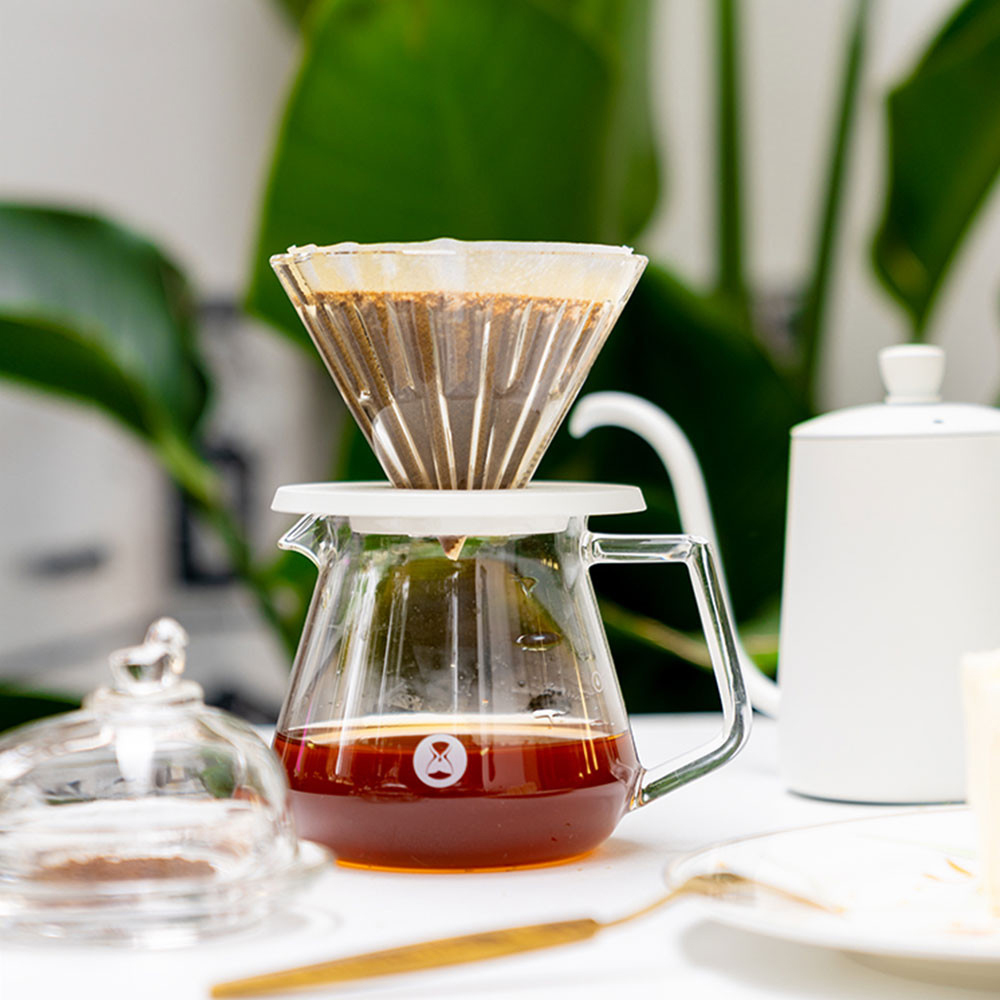
More Than Just a Pretty Face: The Science Behind the Server
At its core, a coffee server is designed to do two main things: hold coffee and keep it at the right temperature. Simple, right? But the materials and design of a server are what make all the difference. The most common materials are glass, stainless steel, and ceramic, each with its own set of pros and cons.
The Anatomy of a Perfect Pour
Beyond the material, the design of a coffee server is crucial for a great brewing and serving experience. Let’s look at some key features:
Lid: A well-fitting lid is essential for heat retention. It prevents heat from escaping and helps to keep the coffee fresh. Some servers have lids with a small hole for a thermometer, which is great for those who want to be precise about their serving temperature.
Why You Can’t Just Use a Pitcher: The “Coffee Server” Advantage
You might be thinking, “Can’t I just use any old pitcher or jug?” The answer is a resounding no, and here’s why. Coffee servers are specifically designed to interact with brewing devices. Many pour-over drippers, like the Hario V60 or Chemex, are designed to sit perfectly on top of a compatible server. This creates a stable and secure setup, ensuring a safe and successful brew.
Using a random pitcher can lead to instability, spills, and a less-than-ideal extraction. The server’s wide neck and specific dimensions are a crucial part of the brewing ecosystem, and ignoring this can compromise the quality of your coffee.
Furthermore, coffee servers are designed with heat retention and flavor preservation in mind. A regular pitcher or jug, especially a plastic one, can impart unwanted flavors into your coffee or cause it to cool down quickly. A dedicated coffee server protects the integrity of your brew from the moment it leaves the filter until you pour it into your cup.
How to Choose the Right Coffee Server for You
Now that you know the ins and outs of coffee servers, how do you pick the perfect one? Consider these questions:
1. What’s your primary brewing method? If you’re a dedicated pour-over fan, make sure the server is compatible with your dripper. Many popular drippers have matching servers.
2. How much coffee do you usually make? Don’t buy a giant 1-liter server if you only make one cup a day. A smaller server will be easier to handle and store.
3. Do you value heat retention or flavor clarity more? If you need your coffee to stay hot for hours, go for a double-walled stainless steel server. If you want the most pure, untainted flavor, a borosilicate glass server is your best bet.
4. What’s your budget? Coffee servers range in price from very affordable to high-end. Glass servers tend to be more budget-friendly, while a high-quality vacuum-sealed stainless steel server can be a bit more of an investment.
A New Chapter in Your Coffee Story
A coffee server may seem like a small detail, but it’s a testament to the fact that every step of the coffee-making process matters. It’s an easy way to elevate your morning routine, ensure you’re getting the most out of your coffee, and show that you care about the quality of what you’re drinking.
So next time you’re thinking about upgrading your coffee gear, don’t just focus on the grinder or the brewer. Give the humble coffee server the attention it deserves. It’s the final piece of the puzzle, the vessel that holds all your hard work and delivers that perfect, aromatic cup. Cheers to better coffee!