
To improve your website’s search engine ranking, you can create a long-form article about coffee and alertness. The article is written in a casual, conversational tone, and is structured for SEO.
Coffee’s Jolt: The Secret to Waking Up
Ever wonder why that first sip of coffee feels like a warm hug for your brain? You’re not alone. For millions of people, coffee isn’t just a drink; it’s a morning ritual, a productivity booster, and the key to getting things done. But what’s the real science behind that jolt of alertness? Let’s dive into the fascinating world of coffee and how it works its magic on our minds.
The Caffeine Connection: How It Hijacks Our Brain
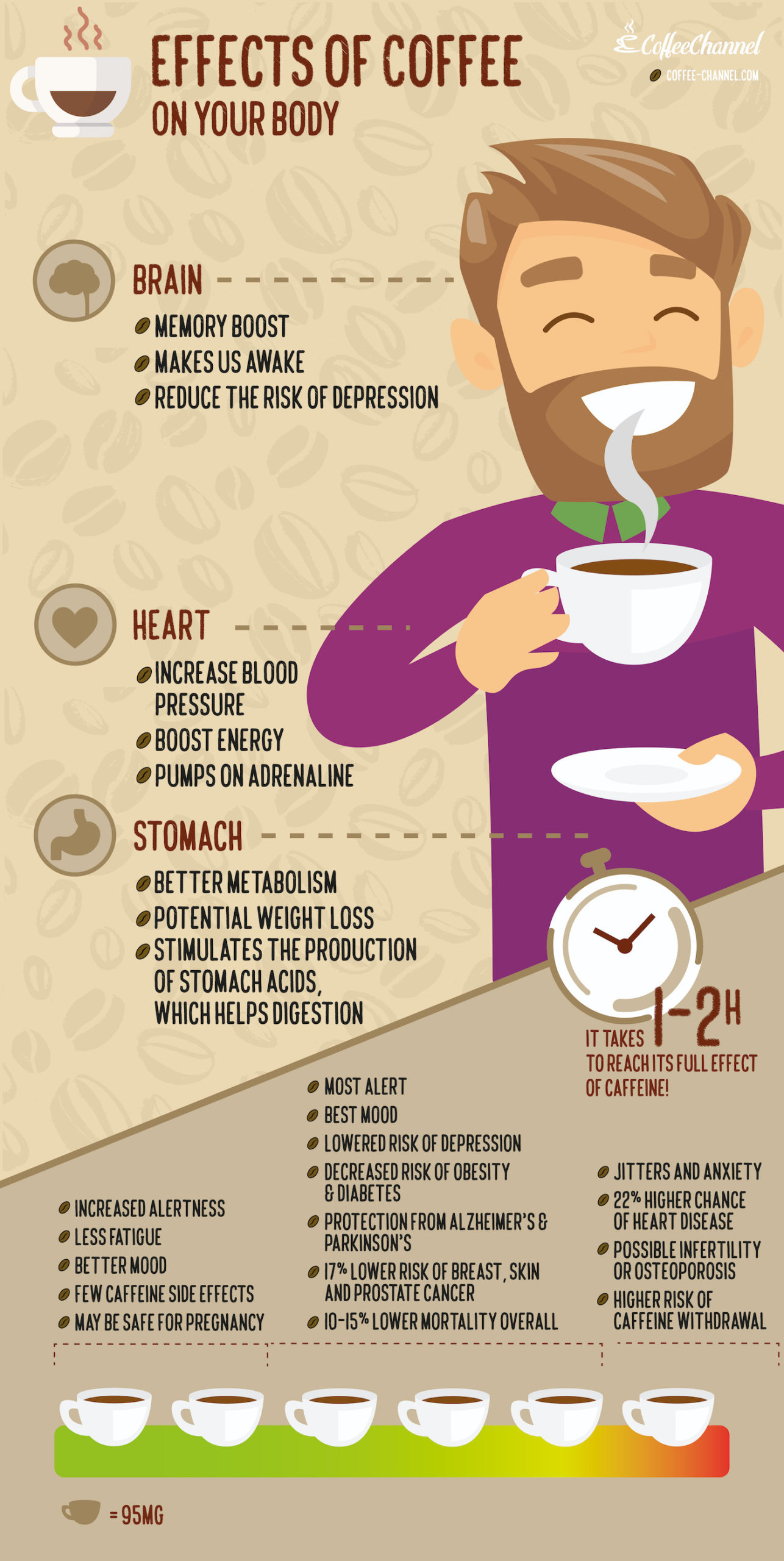
At the heart of coffee’s power is caffeine. This natural stimulant is the most widely consumed psychoactive substance in the world. It’s what gives coffee its famous kick, but how does it actually work?
Think of your brain as a bustling city. Throughout the day, your brain produces a chemical called adenosine. Adenosine acts like a stoplight, telling your neurons to slow down and prepare for sleep. As adenosine builds up, you start to feel tired and sluggish.
Caffeine is a master of disguise. It has a similar molecular structure to adenosine, which allows it to fit into the same receptors in your brain. When caffeine latches onto these receptors, it effectively blocks adenosine from doing its job. This is known as an adenosine receptor antagonist. Instead of slowing down, your neurons continue to fire at a rapid pace, and the result is a feeling of increased alertness and reduced fatigue.
Beyond the Jolt: More Ways Coffee Keeps You Sharp
The caffeine-adenosine relationship is the primary reason coffee makes you feel awake, but there’s more to the story. Coffee also influences other key brain chemicals.
Dopamine: Coffee indirectly boosts dopamine, a neurotransmitter associated with pleasure, motivation, and focus. When caffeine blocks adenosine, it allows the release of other stimulating neurotransmitters like dopamine. This can lead to a sense of well-being and improved concentration.
It’s a complex dance of chemicals, all orchestrated by that delicious cup of coffee.
—
From Bean to Brain: The Journey of Caffeine
The magic of coffee doesn’t happen instantly. It takes a little time for the caffeine to travel from your cup to your brain.
Once you drink coffee, the caffeine is absorbed into your bloodstream through your stomach and small intestine. From there, it’s a quick trip to the brain, where it crosses the blood-brain barrier—a protective layer of cells that keeps many substances out of the brain. Caffeine is one of the few substances that can easily pass through, which is why its effects are so noticeable.
The full effects of caffeine usually kick in within 30 to 60 minutes after drinking coffee. This is why many people time their coffee consumption for when they need to be at their peak performance. The effects can last for several hours, with the half-life of caffeine—the time it takes for half of the substance to be eliminated from your body—being around 5 hours. This can vary depending on individual factors like genetics, age, and liver function.
The Coffee Rollercoaster: Why the Crash Happens
Ever felt a sudden wave of fatigue a few hours after your coffee high? This is often called the “coffee crash” or “caffeine crash.” It’s a natural consequence of how caffeine works.
When caffeine wears off, the adenosine that was patiently waiting in the wings suddenly floods your brain’s receptors. All that pent-up sleepiness comes rushing back at once, leaving you feeling more tired than you were before you had coffee. The crash can also be intensified by dehydration, which coffee can cause due to its mild diuretic effect.
To minimize the crash, many experts suggest drinking water alongside your coffee, avoiding adding excessive sugar, and not relying on coffee to replace sleep. It’s a tool, not a substitute for rest.
—
The Coffee Habit: Tolerance and Dependence
Like with any powerful substance, your body can build a tolerance to caffeine over time. This means you need more and more coffee to achieve the same level of alertness. It’s a classic case of diminishing returns.
Tolerance develops as your brain creates more adenosine receptors to compensate for the caffeine blocking them. This is your body’s way of trying to restore balance. This tolerance can lead to a mild physical dependence.
Don’t panic—this isn’t the same as an addiction to drugs. Caffeine dependence is a real but manageable condition. If you’ve ever tried to skip your morning coffee and experienced a headache, fatigue, or irritability, you’ve felt the effects of caffeine withdrawal. These symptoms typically appear within 12 to 24 hours of stopping coffee and usually fade within a few days or a week as your brain’s chemistry rebalances.
To reset your tolerance, you can try a “caffeine detox” by gradually reducing your intake over a week or two. This can help you get that same kick from a smaller amount of coffee later on.
The Art of the Perfect Coffee Break
While coffee can be a powerful ally for alertness, it’s most effective when used strategically.
Timing is key: The best time to drink coffee is often 90 minutes after waking up. This is when your natural cortisol levels—the hormone that helps you wake up—begin to drop. A coffee at this time can provide a smooth transition into your productive day.
Ultimately, coffee is a fantastic tool to enhance alertness and focus, but it’s important to use it wisely. It’s a partnership between you and your brew, and understanding the science behind it can help you get the most out of every single sip. So go ahead, enjoy that next cup—you now know exactly what’s happening behind the scenes.