
Here is a long-form article about mocha coffee, formatted for a WordPress blog and written in a casual, conversational style. It is over 1500 words and does not include any image descriptions.
—
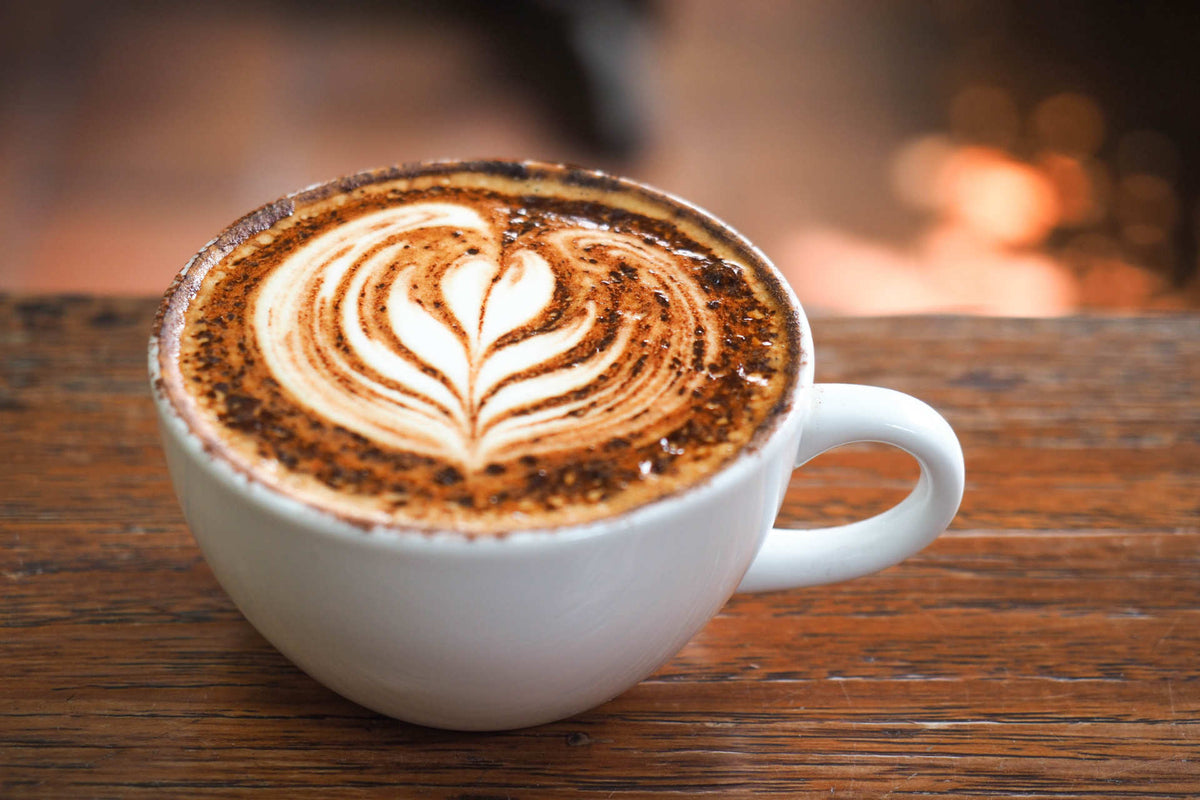
Hey there, coffee lovers! Let’s talk about a drink that holds a special place in the hearts of many: the mocha. For some, it’s a sweet treat to start the day. For others, it’s the perfect afternoon pick-me-up. But what exactly is a mocha? Is it just coffee with chocolate syrup? Is it a latte with a twist? In this deep dive, we’re going to explore everything you ever wanted to know about the mocha—from its surprising origins to how you can craft the perfect cup right at home. So, grab your favorite mug, get cozy, and let’s dive into the delicious world of mocha coffee.
At its core, a mocha is a delicious blend of coffee and chocolate. Simple, right? But the magic lies in the details. A traditional mocha is typically made with espresso, steamed milk, and a form of chocolate—be it cocoa powder, chocolate syrup, or melted chocolate. The result is a creamy, rich, and slightly sweet beverage that perfectly balances the bitterness of the coffee with the sweetness of the chocolate. Think of it as a latte’s richer, more decadent cousin. While a latte is just espresso and steamed milk, a mocha adds that glorious third element that makes it so unique and comforting.
You might think the mocha originated in some fancy European coffee house, but its story is much more interesting and a little less direct. The name “mocha” actually comes from the port city of Mocha (or Al-Makha) in Yemen. Centuries ago, this city was a major hub for the coffee trade. Coffee beans from this region were famous for their distinctive, naturally chocolatey flavor notes. Yes, you read that right—the original “mocha” coffee had a hint of chocolate before any chocolate was even added!
These beans, known as Arabica, were highly sought after. When early European traders brought them back, they were captivated by this unique flavor profile. Over time, as coffee culture evolved and expanded, people started experimenting. The idea of adding actual chocolate to coffee became a way to mimic and enhance that natural flavor profile found in the original Yemeni beans. So, the name stuck, and the modern mocha as we know it today was born, linking a centuries-old coffee port to a delicious contemporary drink. It’s a beautiful story of coffee’s journey across continents and through time.
To truly appreciate a mocha, it helps to break down its components. Each element plays a crucial role in creating the final masterpiece.
The Coffee Base: The foundation of any great mocha is a strong coffee base. Espresso is the traditional choice. A good espresso shot provides the necessary robust flavor to stand up to the richness of the chocolate and milk. It’s that deep, concentrated coffee flavor that keeps the drink from becoming just a hot chocolate. You can use a standard espresso machine, a Moka pot, or even a strong, dark-roast brewed coffee if you’re making it at home without the fancy equipment.
This is a common point of confusion. Let’s clear it up.
Mocha: Coffee + Chocolate + Milk. It’s the perfect marriage of a latte and a hot chocolate. It has the caffeine and strong coffee flavor of a coffee-based drink, but with the added sweetness and richness of chocolate.
So, if you’re looking for a coffee drink that’s a little sweet but still has that classic coffee kick, the mocha is your go-to. If you want a more straightforward, milky coffee, a latte is the one. And if you’re just craving something warm, sweet, and coffee-free, hot chocolate is the answer.
You don’t need to be a professional barista to make a fantastic mocha. Here’s a simple recipe to get you started.
1 shot of espresso (or about 2 ounces of strong brewed coffee)
1. Prepare the Coffee: Brew your espresso or strong coffee.
2. Mix the Chocolate: In your mug, add the chocolate syrup or powder. If you’re using cocoa powder, you might want to mix it with a tiny bit of hot water to create a smooth paste before adding the coffee.
3. Combine Coffee and Chocolate: Pour the hot coffee directly over the chocolate and stir until it’s fully dissolved and smooth. This step is crucial for an even flavor.
4. Steam the Milk: Heat your milk in a saucepan on the stove or use a milk frother. If you’re using the stove, stir it constantly to prevent a skin from forming. You want it to be hot and steamy, not boiling.
5. Assemble: Pour the hot, steamed milk over the coffee-chocolate mixture. Stir gently to combine all the layers.
6. Add Toppings: Top with a generous swirl of whipped cream and a sprinkle of chocolate shavings. Serve and enjoy your homemade masterpiece!
The beauty of the mocha is its versatility. Once you have the basic recipe down, you can start experimenting.
White Chocolate Mocha: Swap the standard chocolate for white chocolate sauce or melted white chocolate. It creates a sweeter, more delicate flavor.
The mocha has seen a remarkable evolution. Once a simple way to use up a unique coffee bean, it has become a staple on coffee shop menus around the world. Its popularity is no surprise. It bridges the gap between those who love the strong, bitter taste of coffee and those who prefer something sweeter and more comforting. It’s the perfect gateway drink for someone new to coffee, and a beloved classic for seasoned coffee drinkers.
The mocha’s success is also a testament to the ever-evolving nature of coffee culture. Coffee is no longer just a simple black brew. It’s a form of art, a science, and a personal expression. The mocha, with all its variations and possibilities, perfectly embodies this new wave of coffee appreciation. It’s a drink that can be customized to suit any mood or preference, making it a true personal favorite for so many.
While a mocha is often seen as an indulgent treat, it’s worth a quick note on its components. A standard mocha from a coffee shop can be quite high in sugar and calories, especially with added syrups and whipped cream. However, when you make it at home, you have full control. You can use a natural sweetener like honey, maple syrup, or stevia, and a good quality, low-sugar cocoa powder. You can also use a dairy-free or low-fat milk to reduce the calorie count. The caffeine content will vary depending on how much coffee you use, but it’s generally similar to a latte or a cappuccino. The dark chocolate used in a mocha also contains antioxidants, which is a nice little bonus.
The mocha is more than just a combination of coffee, milk, and chocolate. It’s a story in a cup, a testament to the rich history of coffee, and a symbol of comfort and creativity. From its origins in a Yemeni port city to its place on modern coffee menus, the mocha has evolved into a beloved classic. Whether you’re making one at home on a chilly morning or grabbing one from your favorite café, the mocha offers a moment of pure, delicious bliss. It’s a perfect blend of rich coffee, creamy milk, and decadent chocolate, proving that sometimes, the simple things in life are the most rewarding. So go ahead, enjoy your next mocha, and appreciate the journey that brought this wonderful drink to your mug.