
The Timeless Allure of a Classic Cappuccino: More Than Just a coffee
In the vast and ever-expanding universe of coffee, there are stars that shine with a particular brilliance. The latte, with its creamy, comforting embrace; the espresso, a bold, dark shot of pure energy; and then there’s the cappuccino. For many, the cappuccino isn’t just a drink; it’s an experience, a ritual, a small moment of perfection in an otherwise chaotic day. It’s a beverage that has captured hearts and palates for generations, and its timeless appeal shows no signs of fading.
But what exactly is a cappuccino? At its core, it’s a simple trifecta: equal parts espresso, steamed milk, and milk foam. This might sound straightforward, but the magic lies in the execution. A perfect cappuccino is a masterpiece of balance and texture. The espresso provides a strong, flavorful foundation, the steamed milk adds a silky sweetness, and the thick, airy foam creates a delightful cloud that you can almost bite into. It’s this beautiful interplay of bitter, sweet, and velvety that makes the cappuccino so endlessly satisfying.
The history of the cappuccino is as rich and layered as the drink itself. Its roots can be traced back to the coffee houses of Vienna in the 1700s, where a drink called “Kapuziner” was served. This beverage, a mix of coffee, cream, and sugar, was said to have a color resembling the robes of the Capuchin friars, hence the name. However, the modern cappuccino we know and love today truly came into its own in Italy, particularly after the invention of the espresso machine in the early 20th century. The espresso machine allowed for the creation of high-pressure steamed milk, a crucial component that elevated the drink from a simple coffee to the layered delight it is today. The Italians perfected the art, and soon, the cappuccino became a global sensation, a symbol of Italian cafe culture and a staple in coffee shops around the world.
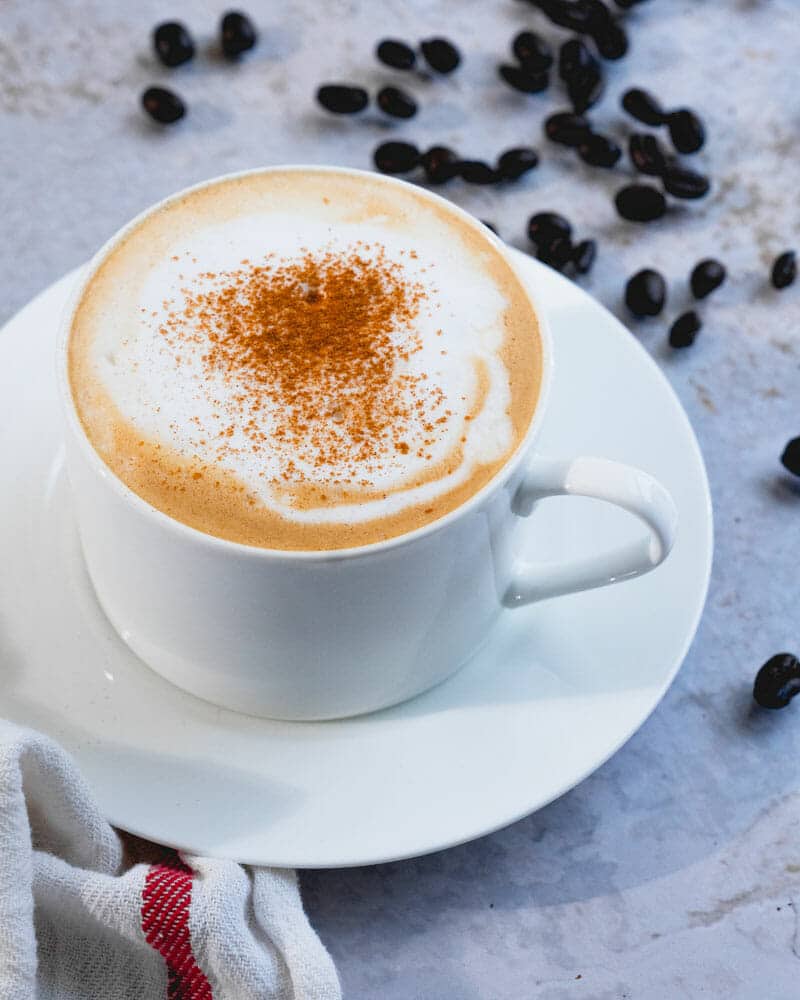
So, why does the cappuccino hold such a special place in our hearts? It’s more than just the taste. It’s the feeling. The first sip, a gentle caress of foam, followed by the rich, warm liquid below. It’s the warmth of the cup in your hands on a chilly morning, the subtle clink of the spoon as you swirl in a sprinkle of cocoa powder. It’s a moment of pause, a brief escape. It’s the perfect companion for a quiet morning with a book, a lively chat with a friend, or a solitary moment of reflection.
One of the beautiful things about a cappuccino is its versatility. While the classic recipe is a work of art, there’s always room for personal touch. Many people love a sprinkle of cocoa powder or cinnamon on top, adding a gentle spice that complements the coffee beautifully. For those with a sweet tooth, a dash of vanilla syrup can transform it into a decadent treat. And for the more adventurous, a pinch of nutmeg or a drizzle of caramel can create a whole new flavor profile. The cappuccino is a canvas, and you are the artist.
Beyond the flavor, the cappuccino offers a satisfying texture that is unique among coffee beverages. The foam is key. It should be firm enough to hold a spoon for a moment, yet light and airy. It creates a beautiful contrast to the liquid below and serves as a delightful final layer. The best baristas are masters of this foam, creating a perfect dome that crowns the drink, sometimes even decorated with a simple latte art design. This attention to detail is what separates a good cappuccino from a truly great one.
The cappuccino also plays a fascinating role in different cultures. In Italy, it’s traditionally a morning drink, often enjoyed with a pastry for breakfast. The idea of drinking a milk-based coffee after noon is often seen as a bit of a faux pas. However, in many other parts of the world, the cappuccino is a beloved all-day beverage, enjoyed at any time. This adaptability speaks to its universal appeal. Whether you’re in a bustling Roman cafe or a quiet little shop in London, the sight of a perfectly made cappuccino is a comforting, familiar presence.
The rise of specialty coffee culture has also had a profound impact on the cappuccino. As coffee roasters have become more focused on sourcing and brewing the highest quality beans, the flavor of the espresso at the heart of the cappuccino has become more complex and nuanced. You can now taste the subtle notes of fruit, chocolate, or nuts in the coffee itself, which adds a new dimension to the drink. The quality of the milk also matters immensely, with baristas carefully steaming it to the perfect temperature and texture to bring out its natural sweetness without scorching it. This commitment to quality has elevated the cappuccino from a simple cafe drink to a true culinary experience.
Of course, a perfect cappuccino doesn’t have to come from a fancy cafe. With a little practice, you can make one at home. All you need is an espresso machine (or a good quality stovetop moka pot for a strong coffee base), a milk frother, and a little patience. The key is to get the proportions right and to practice your milk frothing technique. The satisfaction of creating a perfect cappuccino from scratch in your own kitchen is a joy that every coffee lover should experience.
In conclusion, the cappuccino is more than just a coffee. It’s a piece of history in a cup, a blend of tradition and innovation. It’s a source of comfort, a small luxury, and a perfect moment of balance in a busy world. It’s a drink that connects us to cafes, to baristas, and to a rich culture that spans centuries. Whether you’re enjoying a classic version or a personalized creation, the cappuccino offers a simple, profound pleasure that never gets old. So, next time you’re in a cafe, take a moment to savor your cappuccino. Appreciate the layers, the aroma, and the perfect harmony of flavors. It’s a timeless classic for a reason, and its gentle, powerful charm will continue to captivate coffee lovers for generations to come.