
Title: Brewing Success: Your Guide to Starting a coffee Kiosk
Are you a coffee lover with an entrepreneurial spirit? The idea of a coffee kiosk might have crossed your mind. It’s a fantastic way to enter the booming coffee industry without the massive overhead of a full-scale coffee shop. A coffee kiosk offers a unique blend of convenience, low startup costs, and the potential for high profits. In this comprehensive guide, we’ll walk you through everything you need to know to turn your coffee kiosk dream into a thriving reality.
The Allure of the Coffee Kiosk
Why are coffee kiosks so appealing? It all comes down to a few key factors. First, they have a small footprint. This means you can set one up in high-traffic areas where a traditional coffee shop just wouldn’t fit—think shopping malls, office building lobbies, train stations, or even a busy street corner. This prime placement gives you access to a constant flow of potential customers who are looking for a quick caffeine fix on the go.
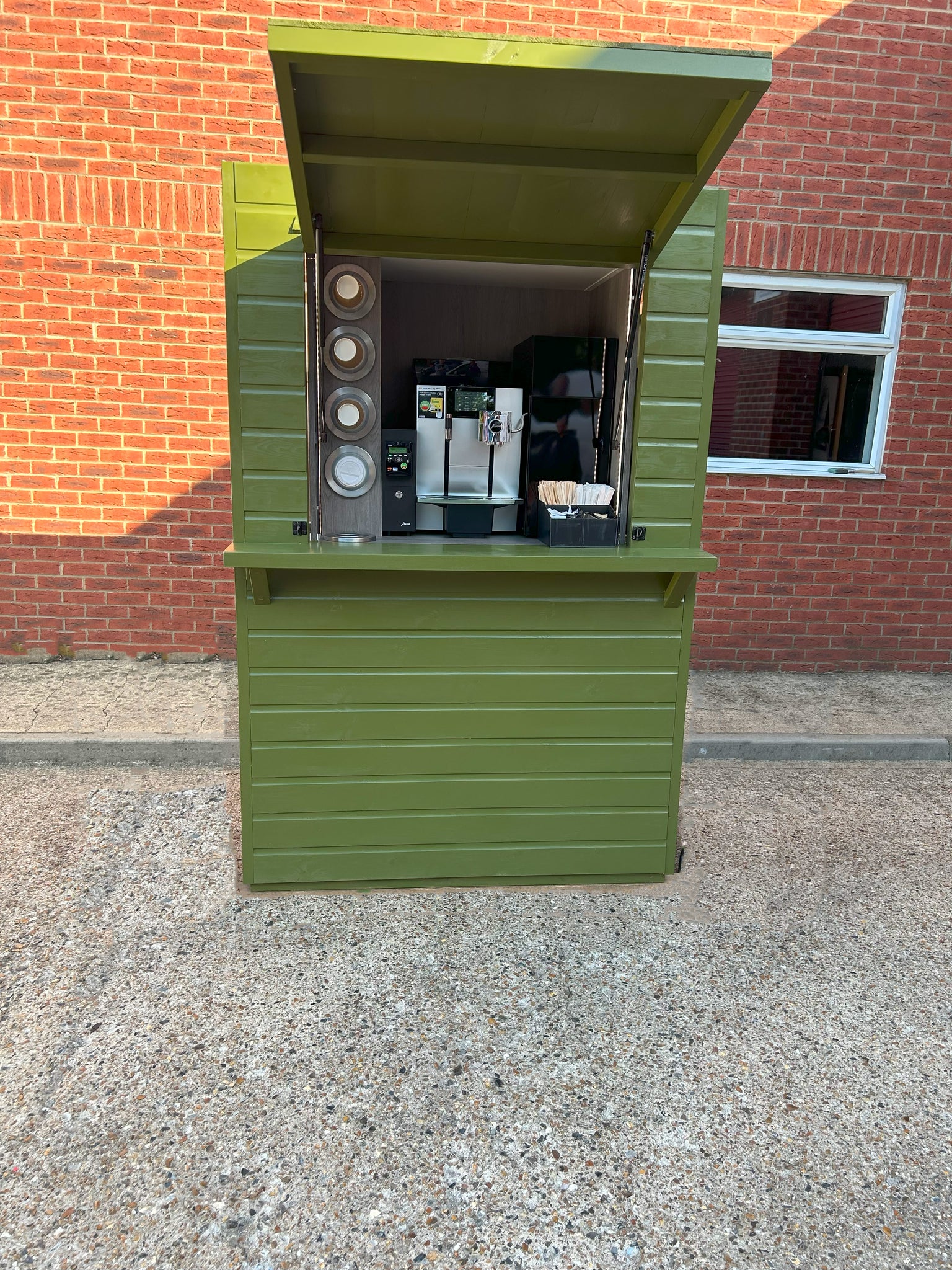
Second, the startup costs are significantly lower. You don’t need to worry about extensive装修 costs, seating arrangements, or a massive staff. Your initial investment will primarily go towards the kiosk itself, high-quality espresso machines, grinders, and a well-stocked inventory of beans, syrups, and milk. This lower barrier to entry makes it an accessible option for new business owners.
Third, a coffee kiosk offers a streamlined operation. The menu is typically focused, often featuring core items like espresso, lattes, cappuccinos, and maybe a few pastries. This simplicity allows for quicker service, which is crucial for a business model built on convenience. Customers are often in a hurry, and the ability to get their favorite coffee quickly is a major selling point.
Location, Location, Location: Finding Your Spot
The single most important decision you’ll make is where to place your coffee kiosk. A fantastic product won’t matter if nobody sees it. When scouting for locations, consider the following:
Foot Traffic: Is there a constant flow of people? Malls, train stations, and corporate parks are excellent choices. Look for areas with a steady stream of commuters, shoppers, or office workers.
Target Audience: Who are the people in this area? Are they students who might prefer an affordable option? Are they professionals who value quality and speed? Tailor your menu and pricing to suit your audience.
Competition: Are there other coffee shops or kiosks nearby? A little competition is healthy, but too much can be a problem. If there are competitors, analyze what they do well and where they fall short. Can you offer something different or better?
Accessibility: Is your location easy to get to? Can people grab a coffee on their way to work without a major detour? Convenience is key.
Once you’ve identified a few potential spots, reach out to the property managers or owners to discuss rental terms. They might have specific requirements or regulations you need to follow.
Crafting Your Business Plan: The Blueprint for Success
Before you buy a single bean, you need a solid business plan. This document will serve as your roadmap and is essential if you plan on seeking funding. Your business plan should cover:
Executive Summary: A brief overview of your business idea, goals, and mission.
Company Description: What is your unique value proposition? Are you focusing on single-origin beans, a specific brewing method, or exceptional customer service?
Market Analysis: Who are your customers? What is the competition like? How big is the coffee market in your area?
Organization and Management: Who will be running the business? What are their roles and responsibilities?
Service or Product Line: Detail your menu. List all the coffee drinks, teas, and any food items you plan to sell.
Marketing and Sales Strategy: How will you attract customers? Will you use social media, loyalty programs, or local promotions?
Financial Projections: This is a critical section. Include your startup costs, projected revenue, profit and loss statements, and a break-even analysis. Be realistic with your numbers.
The financial section is where many new businesses falter. Be meticulous. Research the cost of equipment, ingredients, permits, and labor. Don’t forget to include a buffer for unexpected expenses.
Sourcing the Best Ingredients and Equipment
Your coffee is only as good as your beans. Sourcing high-quality coffee beans is non-negotiable. Partner with a reputable roaster who can provide you with a consistent supply of fresh beans. Consider offering a variety of options, from a classic house blend to a single-origin specialty coffee.
Beyond beans, you’ll need:
Espresso Machine: This is the heart of your operation. Invest in a commercial-grade machine that can handle high volume and produce consistent shots of espresso.
Coffee Grinder: A good grinder is just as important as the espresso machine. It should provide a uniform grind to ensure proper extraction.
Water Filter: The quality of your water directly impacts the taste of your coffee. A good filtration system is a must.
Milk Steamer/Frother: For lattes and cappuccinos.
POS System: A modern point-of-sale system will help you track sales, manage inventory, and process payments efficiently.
Cups, Lids, Sleeves: Look for eco-friendly or compostable options to appeal to environmentally conscious customers.
The Little Things: Permits, Licenses, and Regulations
This might not be the most exciting part, but it’s crucial. Research the local, state, and national regulations for food and beverage businesses. You will likely need:
Business License: To legally operate your business.
Food Handler’s Permit: For anyone who will be preparing or serving food and drinks.
Health and Safety Inspections: Your kiosk will need to pass an inspection to ensure it meets health and safety standards.
Zoning and Land Use Permits: Check if your chosen location is zoned for a retail food business.
Don’t skip these steps. Operating without the proper permits can lead to fines or even forced closure. It’s better to be safe and compliant from the start.
Building Your Brand and Marketing Your Kiosk
In a crowded market, a strong brand is what will set you apart. Your brand is more than just a logo; it’s your story, your values, and the overall experience you provide.
Create a memorable name and logo. Your branding should be clean, appealing, and easy to read from a distance.
Develop a strong social media presence. Use platforms like Instagram and TikTok to showcase your products, share behind-the-scenes content, and interact with your community. Use relevant hashtags to increase your visibility.
Offer a loyalty program. A simple punch card or a digital app can encourage repeat business and make customers feel valued.
Partner with local businesses. Offer to provide coffee for events or collaborate with neighboring businesses to cross-promote.
Consider a grand opening event. This can generate buzz and attract initial customers. Offer special discounts or free samples to get people in the door.
The Art of Customer Service
In the fast-paced world of a coffee kiosk, a friendly and efficient barista can make all the difference. Train yourself and any employees to be:
Knowledgeable: They should be able to answer questions about the coffee beans, brewing methods, and menu items.
Efficient: Speed is essential, but not at the expense of quality.
Friendly: A smile and a kind word can turn a one-time customer into a regular.
Remember, the experience you provide is just as important as the coffee itself. A positive interaction can be the reason a customer chooses your kiosk over a competitor.
Scaling Up and The Future
Once your coffee kiosk is a success, you might start thinking about the future. What’s next?
Add New Products: Consider expanding your menu to include cold brew, iced teas, or seasonal specials. You could also introduce a small selection of baked goods from a local bakery.
Expand Your Hours: If you’re located in a business district, consider offering service during the afternoon or late evening.
Open a Second Location: If your first kiosk is thriving, you could replicate your model in another high-traffic area.
Franchise Your Business: If your model is highly successful and scalable, you could explore the option of franchising your brand.
Conclusion: Your Coffee Kiosk Journey Begins
Starting a coffee kiosk is a rewarding venture that combines a passion for coffee with a smart business strategy. It’s a low-cost, high-potential entry point into an ever-growing industry. By focusing on a prime location, a solid business plan, high-quality products, and exceptional customer service, you can build a business that not only survives but thrives. The journey from a simple idea to a successful coffee kiosk is challenging, but with careful planning and a lot of hard work, you can brew up a success story of your own.