
Here is a long-form article about coffee makers, written in a casual English style for a general audience. The article is over 1500 words and does not include any image placeholders.
The Ultimate Guide to Coffee Makers: Finding Your Perfect Brew Companion
There’s a special kind of magic that happens in the morning, or really, any time of day, when the rich aroma of freshly brewed coffee fills the air. It’s a scent that promises warmth, a little jolt of energy, and a moment of pure comfort. And while the coffee beans themselves are the heart of the experience, the machine that transforms them from a simple bean into a liquid masterpiece is the unsung hero. We’re talking, of course, about the humble—or not so humble—coffee maker.
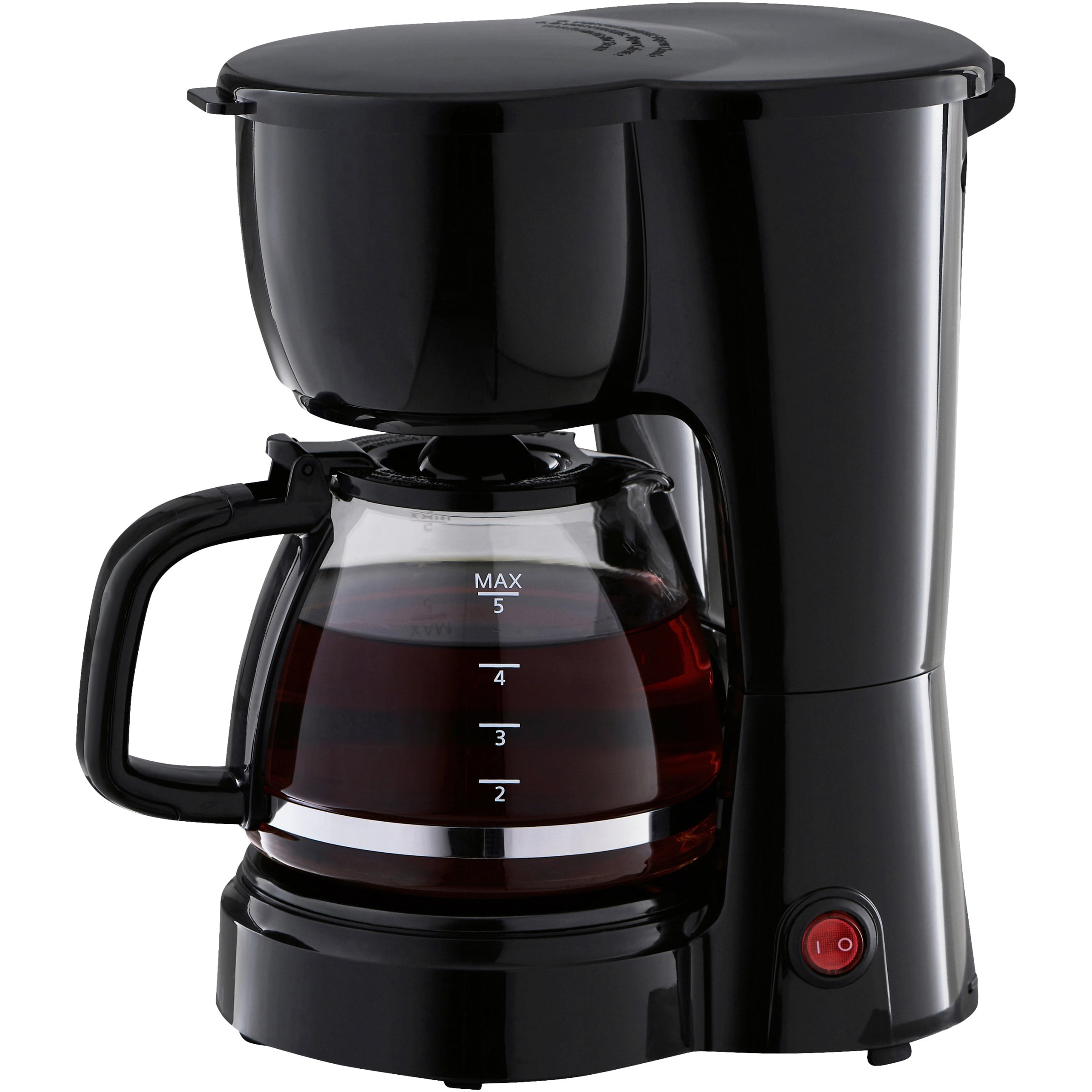
If you’ve ever walked down the coffee aisle of a big box store or browsed an online retailer, you know the world of coffee makers is vast and a little intimidating. From drip machines to espresso makers, French presses to pour-overs, it seems like there’s a new gadget for every kind of coffee aficionado. So, how do you navigate this sea of options and find the one that’s just right for you? Let’s take a deep dive into the world of coffee makers, break down the different types, and figure out what makes each one tick.
# The Drip Coffee Maker: The Reliable Workhorse
Let’s start with the classic. The drip coffee maker is likely what comes to mind when you picture a coffee machine. It’s the one you’ve probably seen in countless kitchens, offices, and hotel rooms. Its popularity isn’t a fluke; it’s incredibly easy to use. You simply add water to a reservoir, put a filter in the basket, scoop in your coffee grounds, hit a button, and a few minutes later, you have a carafe full of coffee.
The simplicity of the drip machine is its greatest strength. It’s the set-it-and-forget-it champion. Many modern models come with programmable timers, so you can prep your coffee the night before and wake up to the glorious smell of a freshly brewed pot. This feature alone is a game-changer for anyone who struggles with early mornings.
But not all drip machines are created equal. You’ll find a range of features, from simple on-off switches to more advanced options like temperature control, bloom cycles (a pre-infusion step to release gases from the coffee grounds), and different brew strengths. Some even have built-in grinders, taking the convenience a step further. While a basic model will get the job done, a higher-end drip maker can elevate your daily cup, providing a more balanced and flavorful brew.
When shopping for a drip machine, consider the size of the carafe. Are you brewing for one, or for a whole family? Do you prefer a glass carafe, which can look sleek but can be prone to breaking, or a thermal carafe, which keeps your coffee hot for hours without the need for a heating plate, preserving the flavor from getting “cooked”? These are small details, but they can make a big difference in your daily routine.
# The French Press: The Hands-On Enthusiast’s Choice
For those who believe that a truly great cup of coffee requires a little more involvement, the French press is a beautiful and simple tool. It’s a method of immersion brewing, where coffee grounds are steeped directly in hot water. There are no paper filters involved, which means the natural oils from the coffee beans are retained, giving the brew a full-bodied, rich, and slightly more textured feel.
Using a French press is a bit of a ritual. You add your coarse-ground coffee to the bottom, pour in hot water, let it steep for a few minutes (usually four, but it’s a matter of taste), and then slowly and deliberately press down the plunger. This separates the grounds from the liquid, leaving you with a delicious, bold cup.
The lack of a paper filter is what gives French press coffee its distinct character. The result is a cup with more “body” and a more pronounced flavor profile. However, this also means you might get some fine sediment at the bottom of your cup, which some people don’t mind and others find less appealing.
The French press is a great choice for those who love to experiment with their brew. You can play with the steep time, water temperature, and grind size to find your perfect balance. Plus, they are incredibly simple to clean and take up minimal counter space. A French press is a fantastic, low-tech way to get a high-quality brew.
# The Pour-Over: The Art of Precision
If the French press is for the enthusiast, the pour-over is for the artisan. This method, often associated with specialty coffee shops, is all about control and precision. It involves pouring hot water over a bed of coffee grounds in a filter-lined cone, allowing gravity to do the work. The result is a clean, bright, and nuanced cup of coffee that highlights the unique flavors of the beans.
To get the best results with a pour-over, you’ll need a few key tools: a dripper (like a Hario V60 or Chemex), paper filters, a scale to measure your coffee and water, and a gooseneck kettle. The gooseneck kettle, with its long, slender spout, is crucial because it allows for a slow, steady, and controlled pour, which is essential for a proper pour-over brew.
The process is meditative and rewarding. You start with a “bloom” pour to let the coffee grounds release their gases, followed by a series of slow, circular pours. The beauty of the pour-over is that you have complete control over the entire process—the water temperature, the pour rate, and the brew time. This level of control allows you to extract the best possible flavor from your coffee beans.
While it requires more effort and attention than a drip machine, the reward is a cup of coffee that is incredibly clean and aromatic. If you appreciate the subtle notes in your coffee—think floral, fruity, or nutty undertones—a pour-over might be the perfect method for you.
# The Espresso Machine: The Home Barista’s Dream
For many, the ultimate coffee experience is a rich, concentrated shot of espresso. It’s the foundation for a wide range of beloved drinks, from lattes and cappuccinos to americanos. And while you can visit a coffee shop for your daily fix, owning an espresso machine allows you to be your own barista, experimenting with milk art and crafting your favorite drinks from the comfort of your own kitchen.
Espresso machines come in a dizzying array of types and price points. At the entry-level, you have semi-automatic machines. These require you to grind your own beans, tamp the grounds into the portafilter, and control the extraction time. While this sounds like a lot of work, it gives you a high degree of control over the final product.
For those who want the convenience of an espresso without the learning curve, there are super-automatic machines. These are the “all-in-one” wizards. You pour in the beans and water, and the machine does everything else: grinding, tamping, and brewing the shot, often with the push of a single button. Many even have built-in milk frothers, so you can make a latte with minimal effort.
Then there are pod-based espresso machines, like those from Nespresso. These are all about speed and convenience. You simply pop in a pre-packaged coffee pod, press a button, and you have a shot of espresso in seconds. The trade-off is less control and a higher cost per cup, but for many, the ease and consistency are worth it.
When choosing an espresso machine, consider your budget, the amount of counter space you have, and how much you’re willing to learn. A good quality machine is an investment, but for those who can’t live without their daily latte, it’s an investment that pays for itself in no time.
# The Cold Brew Maker: The Smooth Operator
Let’s not forget about the warm weather friend: cold brew. This is not just iced coffee; it’s a different brewing process entirely. Cold brew is made by steeping coarse-ground coffee in cold or room-temperature water for an extended period, typically 12 to 24 hours. The result is a concentrate that is incredibly smooth, low in acidity, and naturally sweeter than its hot-brewed counterpart.
Cold brew makers are simple tools, often just a container with a built-in filter basket. You add your grounds and water, let it sit overnight, and in the morning, you have a concentrated brew ready to be diluted with water or milk and served over ice.
The main advantage of cold brew is its low acidity, which makes it easier on the stomach for many people. It also has a unique flavor profile, often described as chocolatey or nutty, and is perfect for making a large batch that you can store in the fridge for up to two weeks.
A cold brew maker is a fantastic addition to any coffee lover’s collection, especially for those who enjoy refreshing, chilled drinks or who have a sensitive stomach. It requires a little foresight, but the ease of having a ready-to-go concentrate is a huge plus.
# What to Consider When Buying a Coffee Maker
With so many options, how do you make the right choice? It all comes down to a few key questions about your lifestyle and coffee habits.
Your Budget: Coffee makers range from a simple $20 French press to multi-thousand-dollar espresso machines. Set a realistic budget before you start shopping.
Finding the perfect coffee maker isn’t just about brewing coffee; it’s about finding a tool that fits seamlessly into your life and makes your daily ritual a little bit better. Whether you’re a beginner looking for a simple start, an enthusiast who loves to experiment, or a home barista chasing the perfect shot, there’s a coffee maker out there with your name on it. So go ahead, find your perfect brew companion, and let the magic of coffee fill your home.