
You want a 1,500-word, SEO-friendly article about coffee’s energy effects. Here’s a comprehensive article in a casual, conversational style, broken down into sections to improve readability and search engine optimization.
The Buzz on Coffee: How Your Daily Brew Gives You That Jolt
Ever wonder why that first sip of coffee feels so magical? It’s more than just a morning ritual; it’s a science-backed phenomenon. For millions of people around the world, coffee isn’t just a drink—it’s the key to waking up, staying focused, and powering through the day. But what is it about this simple brew that gives us such a powerful, and sometimes overwhelming, surge of energy?
This isn’t about the caffeine hype; it’s about the intricate dance of chemicals and the biological processes that happen inside your body from the moment you take a sip. From the first tantalizing aroma to the final buzz, let’s explore the true source of coffee’s energy and how you can harness it for maximum benefit.
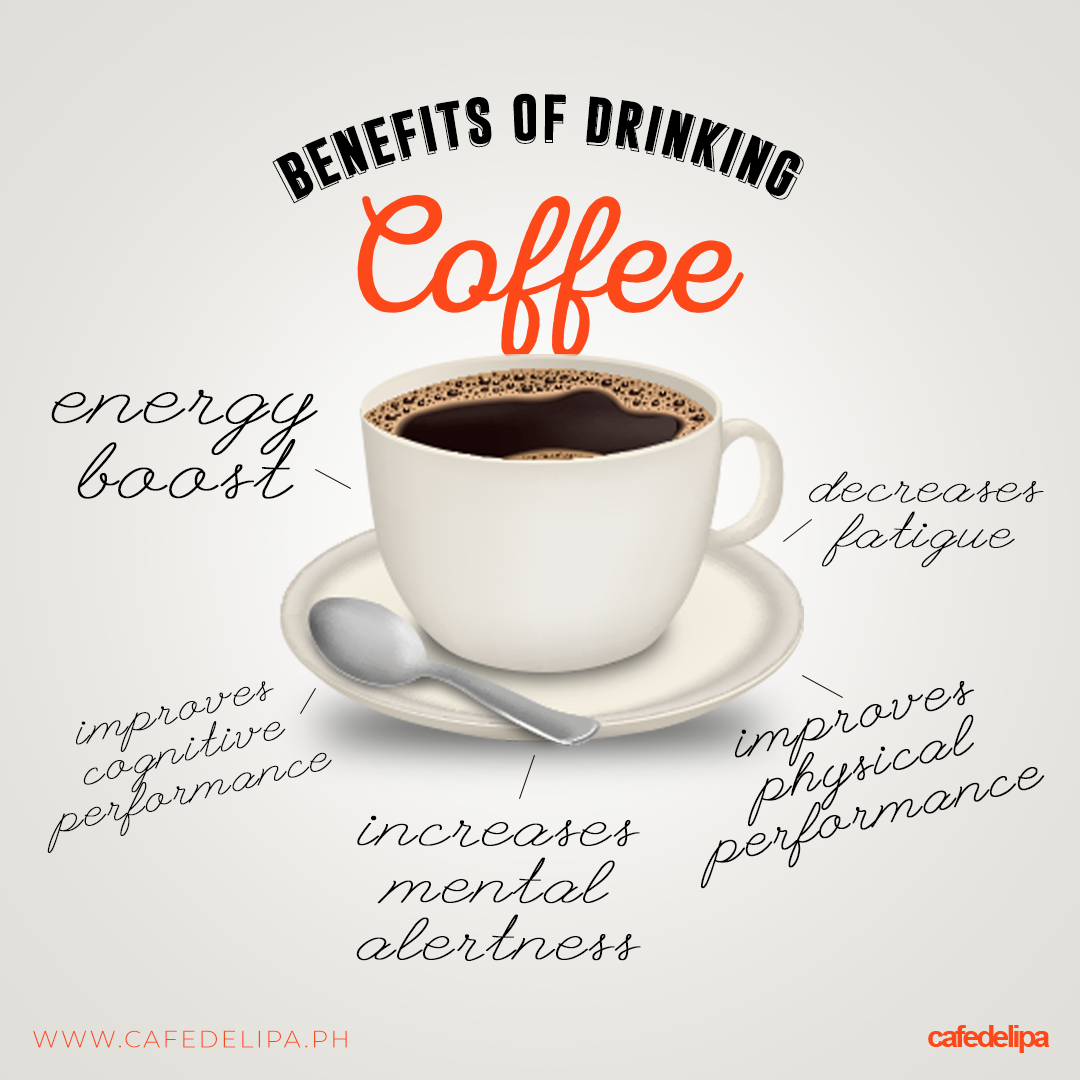
The Science Behind the Sip: How Caffeine Really Works
At the heart of coffee’s energy-boosting properties is one key molecule: caffeine. This isn’t just a stimulant; it’s a cunning impostor. Think of your brain as a busy city with many roads and signals. One of the most important signals is adenosine. Adenosine is a natural depressant that builds up in your brain throughout the day, telling your body it’s time to slow down and sleep. The more adenosine you have, the more tired you feel.
Here’s where caffeine plays its trick. Caffeine is chemically similar to adenosine, so it can fit into the same receptors in your brain. When it does, it doesn’t cause the same sleepy effect. Instead, it simply blocks adenosine from getting to its receptors. It’s like putting a stopper in a sink—the water (adenosine) can’t get through, and you don’t feel sleepy.
But the caffeine party doesn’t stop there. By blocking adenosine, caffeine also indirectly stimulates the release of other natural stimulants in your body, like dopamine and norepinephrine. These are the “feel-good” and “alertness” chemicals that make you feel more awake, focused, and even a little euphoric. It’s a one-two punch that tackles fatigue and promotes a sense of well-being, all from a simple cup of coffee.
From Bean to Brain: The Journey of Coffee’s Energy
The journey of coffee’s energy starts long before the brew hits your cup. It begins in the coffee bean itself, which is a complex powerhouse of over a thousand chemical compounds. When you roast these beans, you unlock their unique flavors and, more importantly, activate the caffeine.
Once you drink your coffee, the caffeine is rapidly absorbed into your bloodstream through the stomach and small intestine. From there, it travels throughout your body, easily crossing the blood-brain barrier—a protective layer that most substances can’t get through. This is why coffee’s effects on your brain are so quick and profound.
The peak effect of caffeine typically happens about 30 to 60 minutes after you drink it. This is when your adenosine receptors are most effectively blocked, and your brain is buzzing with dopamine and norepinephrine. But the effects don’t last forever. The body’s liver enzymes eventually break down the caffeine, and the adenosine begins to build up again, leading to the dreaded “coffee crash” many people experience.
Understanding this process is key to timing your coffee consumption for maximum benefit. A morning cup gives you the lift you need to start the day, while a mid-afternoon brew can help you power through the post-lunch slump.
Beyond Caffeine: The Other Secret Ingredients
While caffeine is the star of the show, it’s not the only thing contributing to coffee’s energizing effect. Coffee is packed with antioxidants and other beneficial compounds that work alongside caffeine to boost your health and focus.
One of these is chlorogenic acid, a powerful antioxidant that’s abundant in coffee. It’s been linked to various health benefits, including improved metabolism and reduced inflammation. While it doesn’t directly provide a jolt of energy, it contributes to overall well-being, which can indirectly make you feel more energized.
Another factor is the ritual itself. The act of preparing and drinking coffee is a powerful psychological cue. The smell, the warmth of the mug, and the quiet moments you take for yourself can all signal to your brain that it’s time to wake up and get to work. This psychological component is a huge part of why a cup of decaf can sometimes feel just as good as the real thing, especially if you’re just looking for that comforting routine.
The Coffee Crash: Why the Jolt Doesn’t Last
The coffee crash is a real and frustrating phenomenon. You’re flying high on caffeine, feeling unstoppable, and then suddenly, the energy plummets, leaving you tired and maybe a little irritable. So, what causes it?
It’s all about the adenosine rebound. Remember how caffeine just blocks the adenosine receptors? It doesn’t get rid of the adenosine itself. So, while you’re drinking coffee and feeling energized, your body is still producing adenosine. When the caffeine wears off and is metabolized, all that built-up adenosine rushes to the now-free receptors, hitting you with a wave of sleepiness.
Another factor is the blood sugar rollercoaster. Many people drink their coffee with sugar, cream, or a pastry. This can lead to a rapid spike in blood sugar followed by a sharp drop, which can mimic the feelings of fatigue and a crash. To avoid this, consider drinking your coffee black or with a low-sugar alternative.
How to Master Your Coffee Habit for Sustainable Energy
You can get the most out of your coffee without the dreaded crash. Here are some tips to help you master your brew and maintain a steady level of energy throughout the day.
1. Timing is everything: Don’t chug your coffee the second you wake up. Your body naturally produces cortisol, a hormone that helps you wake up, in the morning. Wait about 60-90 minutes after waking to have your first cup. This allows your natural cortisol to do its job, and the coffee will give you a sustained energy boost later.
2. Hydrate, hydrate, hydrate: Coffee is a diuretic, which means it makes you pee more. This can lead to dehydration, which itself is a cause of fatigue. For every cup of coffee you drink, try to drink a glass of water. It’s a simple habit that makes a world of difference.
3. Mind your serving size: A small, regular cup of coffee is generally all you need. Overdosing on caffeine can lead to jitters, anxiety, and a more severe crash. Listen to your body and find the right amount for you.
4. Avoid the late-afternoon brew: Caffeine has a half-life of about 5 hours. This means it takes about that long for half of the caffeine to be out of your system. A cup of coffee in the late afternoon can easily disrupt your sleep, and nothing leads to fatigue like a bad night’s rest.
5. Pair it with protein: Drinking coffee with a protein-rich snack can help stabilize your blood sugar, preventing the rapid crash and providing a more sustained release of energy.
The Final Word: Coffee is More Than a Drink
Coffee is a marvel of nature and chemistry. Its ability to block fatigue, sharpen focus, and boost our mood is a testament to its powerful effect on the human body. By understanding the science behind the sip, you can transform your coffee habit from a fleeting jolt to a sustainable source of energy. So, the next time you pour yourself a cup, remember it’s not just a beverage; it’s a tool for a more productive and energized day.