Coffee And End Tables: The Perfect Pair

Coffee And End Tables: The Perfect Pair

Posted on

The Symbiotic Dance of coffee and End Tables: A Chronicle of Comfort and Style

The humble coffee table and its close companions, end tables, are more than just furniture; they are the silent architects of our living spaces, orchestrating a ballet of comfort, convenience, and aesthetic appeal. They are the stage upon which our daily rituals unfold, from the morning’s first sip of coffee to the evening’s final chapter of a beloved book. This exploration delves deep into the multifaceted relationship between these essential pieces, examining their history, function, style, and the subtle ways they shape our lives.

  • The Evolution of the Central Stage: From Chests to Coffee Tables
  • The concept of a low table positioned centrally in a room has roots in various cultures. In the Victorian era, “tea tables” served a similar purpose, but it was the 20th century that truly cemented the coffee table as a staple. The rise of lower seating, the popularity of Japanese design influences, and the changing social dynamics of the home all played a role.

    Early Precursors and Cultural Shifts
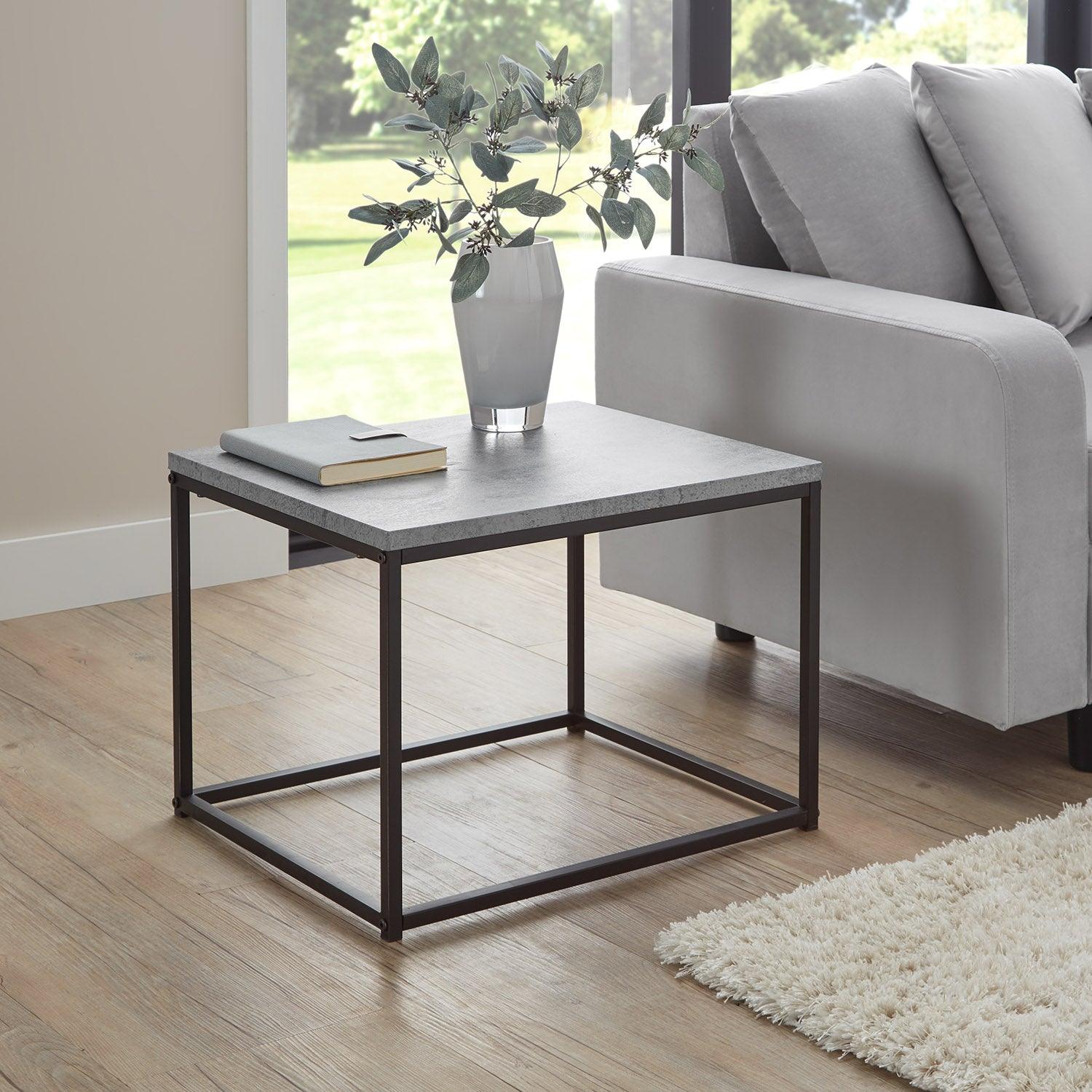
    Coffee And End Tables: The Perfect Pair
    Jay Coffee Table & Side Table Set – Concrete Effect & Black

    Originally, large chests served as makeshift tables, offering storage and a surface for various activities.

  • The influence of Japanese tea ceremonies, with their low tables and floor seating, began to permeate Western design.
  • The rise of the automobile and the subsequent spread of car lounges provided inspiration for comfortable, low-slung furniture.
  • The emergence of the “living room” as a distinct space, focused on relaxation and entertainment, demanded a new type of furniture.

  • The Mid-Century Modern Boom and Beyond

    The mid-20th century saw the coffee table blossom into a design icon, with sleek lines, innovative materials, and a focus on functionality.

  • Designers like Isamu Noguchi and Florence Knoll created iconic coffee tables that remain influential today.
  • The rise of mass production made coffee tables more accessible, leading to a wider range of styles and price points.
  • Contemporary coffee tables embrace a diverse range of materials, from reclaimed wood and metal to glass and acrylic.

  • The Supporting Cast: End Tables and Their Vital Role
  • While the coffee table takes center stage, end tables provide essential support, flanking sofas and armchairs, offering convenient surfaces for lamps, books, and beverages. They are the unsung heroes of the living room, quietly enhancing comfort and functionality.

    Strategic Placement and Practicality

    image.title
    LEAYAN Scandinavian Coffee Table End Table, cm, Black Slate

    End tables provide a convenient surface for placing drinks, snacks, and remote controls within easy reach.

  • They help to balance the visual weight of a room, creating a sense of symmetry and harmony.
  • End tables can be used to display decorative items, such as lamps, vases, and picture frames, adding personality to the space.
  • End tables are a great place to put lighting, thus creating a soft and useful glow to a room.

  • Variations in Style and Function

    End tables come in a wide range of styles, from traditional and ornate to modern and minimalist.

  • Some end tables feature built-in storage, such as drawers or shelves, providing a practical solution for organizing clutter.
  • Nesting end tables offer flexibility, allowing you to create additional surface space when needed.
  • Some end tables are made to be used outside, thus expanding their use.

  • The Marriage of Function and Style: Choosing the Right Tables
  • Selecting the perfect coffee and end tables involves considering both practical needs and aesthetic preferences. The size, shape, material, and style of the tables should complement the existing furniture and decor, creating a cohesive and inviting space.

    Size and Shape Considerations

    image.title
    Carnegie Wooden Nesting Coffee End Tables White Taupe Set

    The size of the coffee table should be proportional to the size of the sofa and the overall room.

  • The shape of the coffee table can influence the flow of traffic in the room.
  • End tables should be tall enough to be easily accessible from the seating they flank.
  • Consider the shape of your sofa arms when choosing end tables.

  • Material and Durability

    Wood coffee and end tables offer warmth and durability, but they may be susceptible to scratches and stains.

  • Glass coffee and end tables create a sense of lightness and transparency, but they require regular cleaning.
  • Metal coffee and end tables are durable and stylish, but they can be cold to the touch.
  • Stone tables offer a very durable and sturdy option.

  • Style and Aesthetic Harmony

    Choose coffee and end tables that complement the overall style of your living room, whether it’s traditional, modern, or eclectic.

  • Consider the finish and color of the tables, ensuring they coordinate with the existing furniture and decor.
  • Don’t be afraid to mix and match different styles and materials, as long as they create a cohesive look.
  • Consider the room’s lighting when selecting the finish of the tables.

  • Beyond the Surface: The Emotional Connection
  • Coffee and end tables are more than just functional objects; they are imbued with meaning and memories. They are the silent witnesses to countless conversations, laughter, and shared moments.

    The Center of Social Interaction

    The coffee table often serves as a focal point for social gatherings, providing a surface for drinks, snacks, and games.

  • It is a place where friends and family gather, creating a sense of community and connection.
  • The arrangement of coffee and end tables can influence the flow of conversation and interaction.

  • Personalization and Expression

    Coffee and end tables provide an opportunity to express personal style and interests through decorative items.

  • They can be used to display cherished memories, such as photographs, souvenirs, and artwork.
  • The choice of coffee and end tables can reflect the homeowner’s personality and lifestyle.

  • The Comfort of Routine

    The familiar presence of coffee and end tables can provide a sense of comfort and stability.

  • They are the anchors of our daily routines, supporting our morning coffee, evening reading, and late-night conversations.
  • They are the stable place to put a drink while watching a movie.

  • The Future of Tables: Innovation and Sustainability
  • As design evolves and sustainability becomes increasingly important, coffee and end tables are adapting to meet the changing needs of consumers.

    Smart Furniture and Technological Integration

    Some coffee and end tables are now equipped with built-in charging ports, speakers, and even refrigerators.

  • Smart tables can be controlled via smartphone apps, offering features such as adjustable height and temperature.
  • The integration of technology into furniture is likely to continue, enhancing convenience and functionality.

  • Sustainable Materials and Practices

    Designers are increasingly using sustainable materials, such as reclaimed wood, bamboo, and recycled plastic.

  • Manufacturers are adopting eco-friendly production processes, reducing waste and minimizing environmental impact.
  • Consumers are becoming more conscious of the environmental impact of their furniture choices.

  • Multifunctional Designs and Space Optimization

    Small spaces demand multi-functional furniture.

  • Tables that transform, or offer hidden storage are becoming more popular.
  • Designs that allow for easy movement and reconfiguration are also growing in demand.

  • In conclusion, coffee and end tables are much more than just pieces of furniture. They are the heart of our living spaces, shaping our daily rituals, reflecting our personal style, and fostering a sense of comfort and connection. As design continues to evolve, these essential pieces will undoubtedly continue to play a vital role in our lives, adapting to our changing needs and preferences. They are the constant, ever present, and utterly necessary pieces of a comfortable and well designed home.

    Leave a Reply

    Your email address will not be published. Required fields are marked *