The Symbiotic Dance of coffee and End Table: A Chronicle of Comfort and Style
The living room, a sanctuary of relaxation and social interaction, is often defined by two unassuming yet indispensable pieces of furniture: the coffee table and the end table. They are more than mere surfaces; they are silent partners in creating a cohesive, functional, and aesthetically pleasing space. Their relationship, a delicate balance of form and purpose, has evolved over centuries, mirroring the changing tides of interior design and social customs. This exploration delves into the history, functionality, and stylistic considerations of these essential elements, revealing their profound impact on our daily lives.
The Coffee Table: A Centerpiece of Conversation and Convenience
The coffee table, a broad, low table positioned in front of a sofa or seating area, has become synonymous with relaxed gatherings and casual comfort. Its journey from a practical necessity to a design statement is a captivating tale.
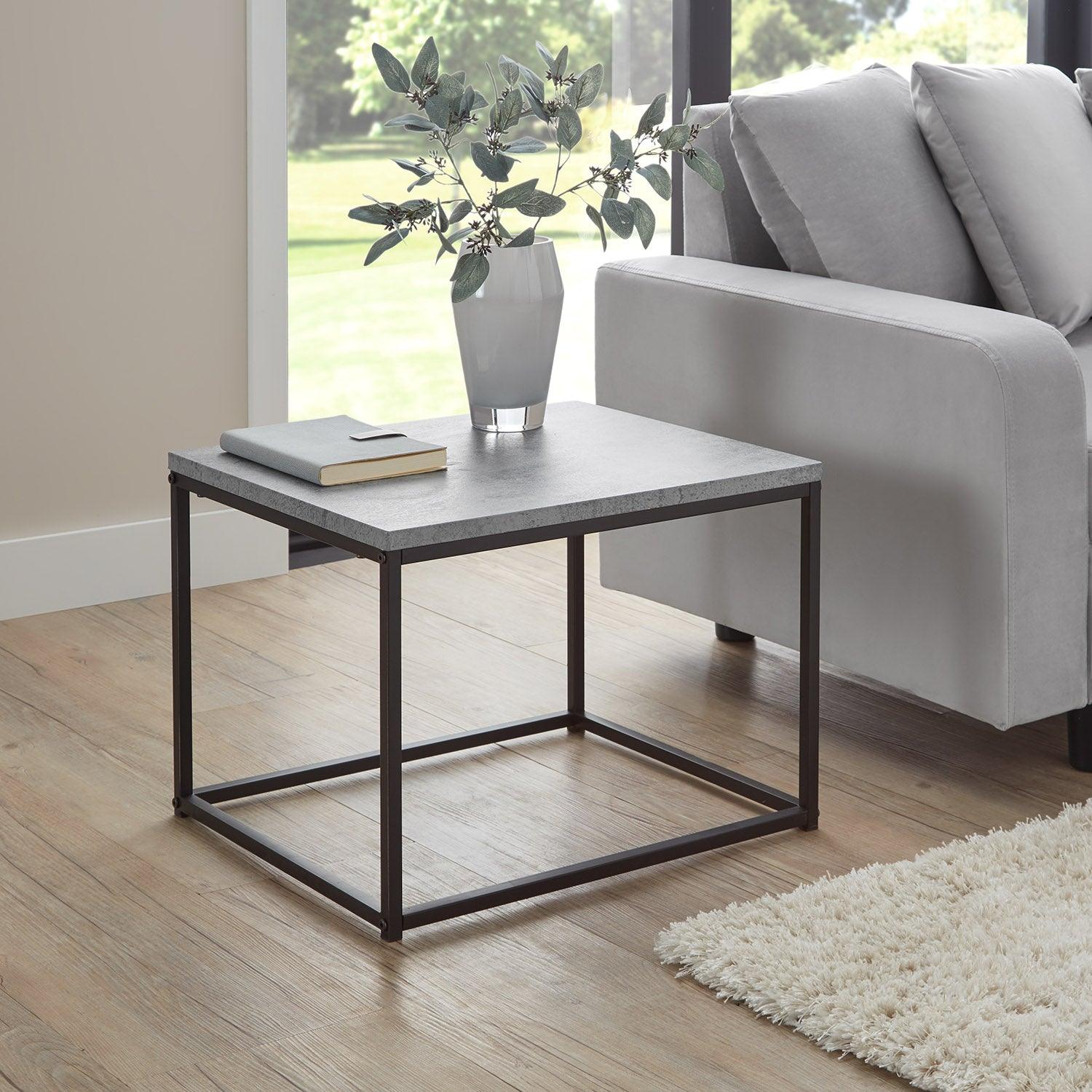
Jay Coffee Table & Side Table Set – Concrete Effect & Black
Historical Roots: From Tea Service to Social Hub
The origins of the coffee table are somewhat debated, but its evolution is closely tied to the rise of tea and coffee consumption.
Early Influences:
It is suggested that lower tables were used in various cultures for ceremonial purposes and tea services. However the modern concept really started to arrive in the late Victorian era.
The earliest coffee tables appeared to have emerged from England during the late Victorian era.
Originally, they where refered to as “tea tables”.
20th Century Transformation:
The 20th century witnessed the coffee table’s transformation into a central feature of the living room.
As social gatherings shifted towards informal settings, the coffee table became a platform for conversation, games, and entertainment.
Designers began experimenting with various materials and styles, reflecting the changing aesthetic preferences of the era.
Functionality: More Than Just a Surface
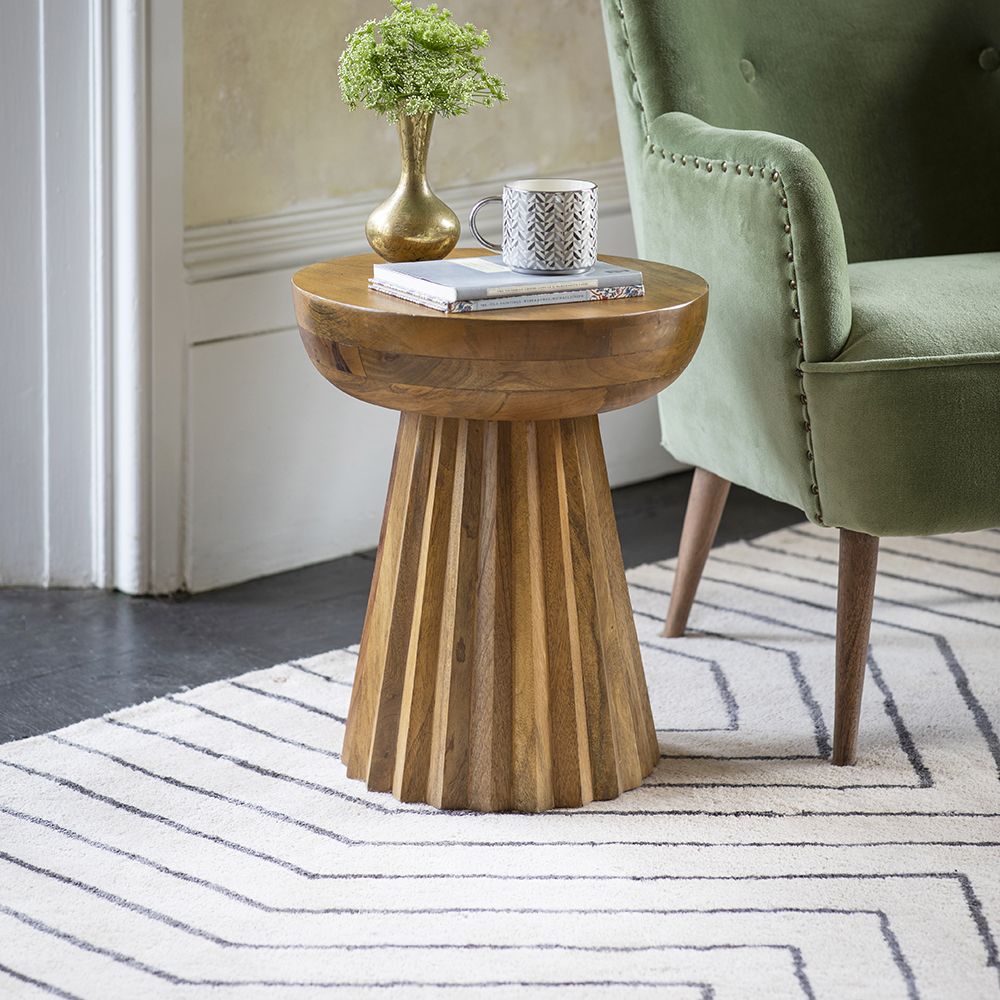
Nomad Side Table – Natural
The coffee table’s primary function is to provide a convenient surface for placing drinks, snacks, books, and other items. However, its role extends beyond mere practicality.
Social Interaction:
The coffee table acts as a focal point, fostering interaction and creating a sense of intimacy within the seating area.
It provides a shared surface where people can gather around, promoting conversation and connection.
Decorative Element:
The coffee table serves as a canvas for displaying decorative objects, such as vases, candles, and art books.
It contributes to the overall aesthetic of the room, reflecting the personal style of the homeowner.
Storage Solution:
Many modern coffee tables incorporate storage features, such as drawers, shelves, or hidden compartments, providing valuable space for organizing clutter.
Style and Design: A Reflection of Personal Taste
Coffee tables come in a vast array of styles, materials, and sizes, catering to diverse tastes and interior design themes.
Materials:
Wood, glass, metal, and stone are popular materials, each offering a distinct aesthetic and texture.
Modern designs often incorporate a combination of materials, creating visual interest and depth.
Shapes and Sizes:
Coffee tables range from rectangular and square shapes to round, oval, and organic forms.
The size and shape of the coffee table should be proportional to the size of the seating area and the overall dimensions of the room.
Stylistic Considerations:
Whether you prefer a minimalist, contemporary, traditional, or rustic aesthetic, there is a coffee table to complement your design vision.
Consider the existing furniture and decor when selecting a coffee table, ensuring a cohesive and harmonious look.
The End Table: A Supporting Role with Essential Functions
The end table, a smaller table positioned beside a sofa or chair, plays a supporting role in the living room, providing convenient access to essential items.
Purpose and Placement: At Arm’s Reach Convenience
The end table’s primary function is to provide a surface for placing lamps, books, remote controls, and other personal items.
Accessibility:
End tables are strategically placed within arm’s reach, ensuring that essential items are readily available.
They eliminate the need to reach across the room or get up from the sofa, enhancing comfort and convenience.
Lighting and Ambiance:
End tables often serve as a platform for table lamps, providing ambient lighting and creating a cozy atmosphere.
By placing lamps on these tables you can help create layers of light within a room.
Decorative Touches:
End tables offer an opportunity to add decorative touches, such as small plants, picture frames, or decorative boxes.
They help add personalized detail to any room.
Variety and Versatility: Adapting to Diverse Needs
End tables come in a wide range of styles, sizes, and materials, allowing for versatility and adaptability.
Styles:
From simple and understated to ornate and decorative, end tables cater to diverse stylistic preferences.
Many styles reflect similar styles to that of coffee tables, helping generate a cohesive look.
Materials:
Wood, glass, metal, and acrylic are popular materials, offering a variety of textures and finishes.
Sometimes end tables are created from unique materials adding strong visual intrest.
Size and Shape:
End tables range in size and shape, allowing for flexibility in placement and functionality.
Smaller end tables can be used in tight spaces, while larger ones can serve as statement pieces.
The Symbiotic Relationship: Harmony and Balance
The coffee table and end table work in tandem, creating a harmonious and balanced living room environment.
Spatial Harmony:
The placement of the coffee table and end tables should create a sense of balance and flow within the seating area.
They should be positioned to complement each other and the surrounding furniture.
Functional Integration:
The coffee table provides a central surface for shared items, while the end tables offer individual convenience.
Together, they create a functional and comfortable living space.
Aesthetic Cohesion:
The style and materials of the coffee table and end tables should complement each other, creating a cohesive aesthetic.
Consider the overall design theme of the room when selecting these pieces.
Modern Trends and Innovations: Adapting to Contemporary Lifestyles
Modern designers continue to reimagine the coffee table and end table, incorporating innovative features and materials.
Multifunctional Designs:
Many modern coffee tables and end tables incorporate multifunctional features, such as lift-top mechanisms, hidden storage, and built-in charging ports.
These features help to improve the usability of each furniture item.
Sustainable Materials:
An increasing emphasis is placed on using sustainable materials, such as reclaimed wood and recycled metal.
Consumers are becoming more conscious of the environmental impact of their furniture choices.
Minimalist Aesthetics:
Minimalist designs are gaining popularity, featuring clean lines, simple forms, and neutral colors.
Modern design tends to be more about less is more.
Tech Integration:
The integration of technology into furniture, such as wireless charging and built-in speakers, is becoming increasingly common.
In conclusion, the coffee table and end table are more than just furniture; they are essential elements that contribute to the comfort, functionality, and aesthetic appeal of the living room. Their evolution reflects the changing needs and preferences of society, and their ongoing innovation ensures their continued relevance in the modern home. By understanding their history, functionality, and stylistic considerations, we can appreciate their profound impact on our daily lives and create living spaces that are both beautiful and practical.