
“`html
The Definitive Guide to coffee Table Legs: Style, Function, and Selection
body {
font-family: sans-serif;
line-height: 1.6;
margin: 20px;
}
h1, h2, h3 {
margin-bottom: 10px;
}

img {
max-width: 100%;
height: auto;
display: block;
margin: 20px auto;
}
The Definitive Guide to Coffee Table Legs: Style, Function, and Selection
The humble coffee table, a central fixture in living rooms and social spaces, often owes much of its character and functionality to its legs. While the tabletop itself commands attention, the legs provide essential support, stability, and aesthetic appeal. Choosing the right coffee table legs can transform a simple surface into a statement piece, reflecting your personal style and enhancing the overall décor of your home. This comprehensive guide explores the myriad aspects of coffee table legs, from materials and styles to installation and maintenance, ensuring you make an informed and stylish choice.
Understanding the Importance of Coffee Table Legs
Coffee table legs are more than just functional supports; they are integral to the table’s design and stability. Here’s why they matter:
Structural Integrity
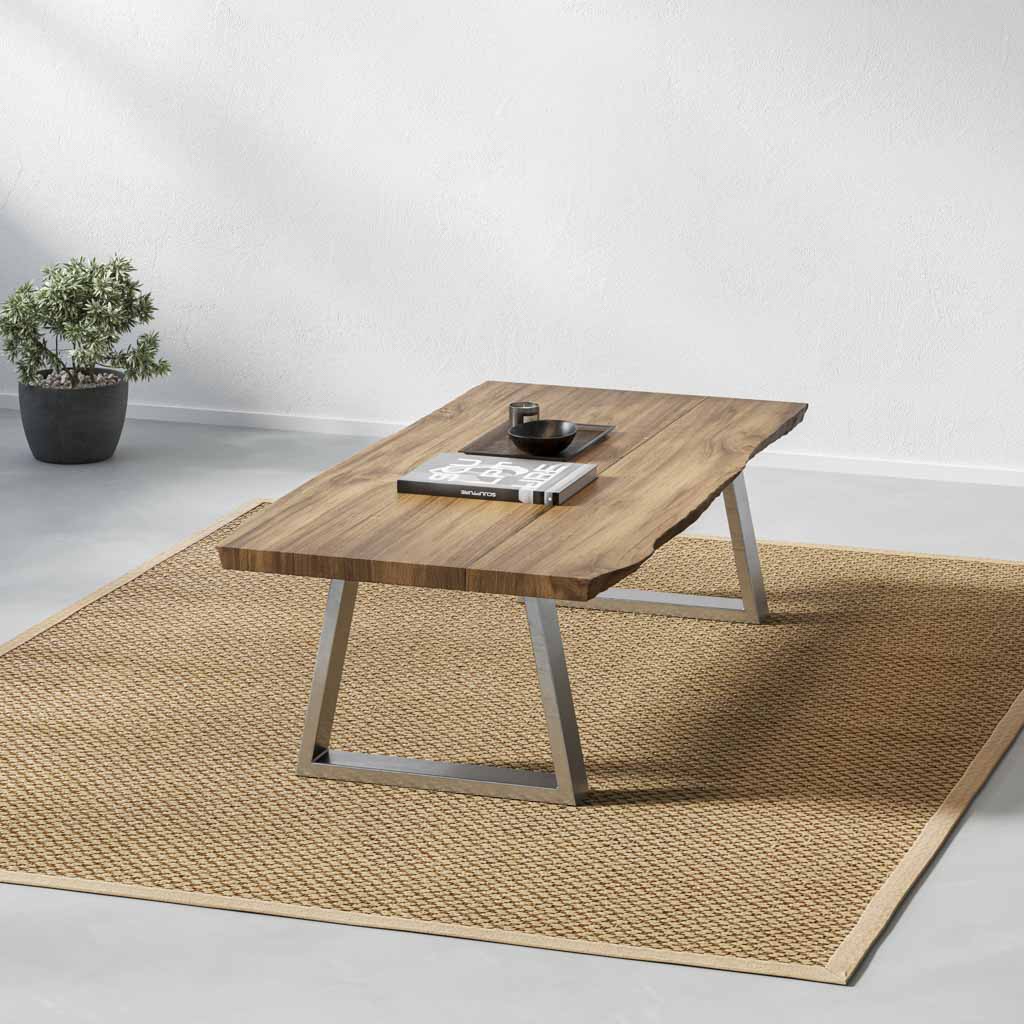
The primary role of coffee table legs is to provide a stable foundation. They must be strong enough to support the weight of the tabletop and any items placed upon it, ensuring the table remains level and secure.
Aesthetic Contribution
Legs significantly influence the visual appeal of a coffee table. Different leg styles can evoke various design aesthetics, from modern minimalism to rustic charm. They can complement or contrast with the tabletop, creating a focal point or blending seamlessly with the surrounding décor.
Height and Proportion
The height and proportion of the legs determine the overall height of the coffee table, which is crucial for comfort and functionality. The right height ensures easy access for placing and retrieving items, while proper proportions create visual harmony in the room.
Style and Theme
Coffee table legs can reinforce or establish a specific design theme. Whether you prefer clean lines and geometric shapes or ornate carvings and vintage finishes, the legs play a vital role in conveying the desired style.
Materials for Coffee Table Legs
The choice of material for coffee table legs impacts both their durability and aesthetic appeal. Here are some popular options:
Wood
Wood is a classic and versatile material, offering a wide range of finishes and styles. Hardwoods like oak, maple, and walnut are durable and provide a rich, natural look. Softwoods like pine are more affordable but may require more care. Wood legs can be carved, turned, or shaped into intricate designs, making them suitable for various styles.
Metal
Metal legs offer strength, durability, and a modern aesthetic. Steel, iron, and brass are common choices, each providing a unique look and feel. Metal legs can be powder-coated for a sleek finish or left with a raw, industrial appearance. They are ideal for contemporary and minimalist designs.
Acrylic/Lucite
Acrylic or Lucite legs offer a modern and transparent look, creating a sense of lightness and spaciousness. They are perfect for small spaces or for adding a touch of contemporary elegance. Acrylic legs are durable and easy to clean, making them a practical choice for modern homes.
Concrete
Concrete legs provide a robust and industrial aesthetic, adding a unique and substantial feel to the coffee table. They are ideal for rustic and contemporary designs, offering a raw and unrefined look. Concrete legs are durable and can be customized with various finishes and textures.
Styles of Coffee Table Legs
The style of coffee table legs plays a crucial role in defining the overall aesthetic of the table. Here are some popular styles:
Straight Legs
Straight legs are the most common and versatile style, offering a clean and simple look. They are suitable for various designs, from modern minimalist to traditional styles. Straight legs provide stability and support, making them a practical choice for everyday use.
Tapered Legs
Tapered legs narrow towards the bottom, creating a sleek and elegant look. They are popular in mid-century modern and Scandinavian designs, adding a touch of sophistication and lightness to the table. Tapered legs can be made from wood or metal, offering flexibility in design.
Hairpin Legs
Hairpin legs are thin, metal legs bent into a V-shape, creating a minimalist and industrial look. They are popular in contemporary and DIY designs, adding a touch of retro charm. Hairpin legs are durable and easy to install, making them a popular choice for custom coffee tables.
Turned Legs
Turned legs are crafted on a lathe, creating intricate and decorative designs. They are popular in traditional and vintage styles, adding a touch of elegance and craftsmanship. Turned legs can be made from various woods, offering flexibility in design and finish.
Pedestal Legs
Pedestal legs consist of a central base that supports the tabletop, creating a sculptural and dramatic look. They are popular in formal and contemporary designs, adding a focal point to the room. Pedestal legs can be made from various materials, including wood, metal, and concrete.
Block Legs
Block legs are thick, rectangular legs that provide a sturdy and substantial look. They are popular in rustic and industrial designs, adding a sense of strength and stability. Block legs can be made from wood or concrete, offering a raw and unrefined aesthetic.
Casters/Wheels
Legs with casters or wheels provide mobility and flexibility, allowing you to easily move the coffee table around the room. They are popular in versatile and multifunctional spaces, adding practicality and convenience. Casters can be made from various materials, including metal and rubber.
Choosing the Right Coffee Table Legs
Selecting the right coffee table legs involves considering several factors to ensure they meet your needs and preferences:
Tabletop Size and Weight
The size and weight of the tabletop determine the number and strength of the legs required. Larger and heavier tabletops require more robust legs to provide adequate support. Consider the weight capacity of the legs and ensure they can handle the load.
Desired Height
The height of the coffee table should be proportional to the seating in the room. A general guideline is to choose a coffee table that is about the same height as the seat cushions of your sofa or chairs. Consider the comfort and functionality of the height when making your selection.
Style and Décor
The style of the legs should complement the overall décor of the room. Consider the existing furniture and design elements to ensure a cohesive look. Choose legs that reflect your personal style and enhance the aesthetic appeal of the space.
Material and Finish
The material and finish of the legs should match the tabletop and other furniture in the room. Consider the durability, maintenance, and aesthetic appeal of the material. Choose a finish that complements the overall design and provides the desired look and feel.
Installation and Stability
The installation process should be straightforward and secure. Consider the ease of installation and ensure the legs provide stability and support. Choose legs with sturdy hardware and a reliable mounting system.
Installation and Maintenance
Proper installation and maintenance are essential for ensuring the longevity and stability of your coffee table legs:
Installation
Follow the manufacturer’s instructions for installing the legs. Ensure the legs are securely attached to the tabletop using appropriate hardware. Use a level to ensure the table is level and stable. For hairpin legs, ensure proper spacing and alignment for maximum stability.
Maintenance
Regularly inspect the legs for any signs of damage or wear. Tighten any loose screws or bolts to ensure stability. Clean the legs with a soft cloth and appropriate cleaning solution to maintain their appearance. For wood legs, use furniture polish to protect the finish. For metal legs, use a rust inhibitor to prevent corrosion.
DIY Coffee Table Legs
For a personalized touch, consider creating your own coffee table legs. DIY options allow you to customize the design, material, and finish to match your specific needs and preferences:
Repurposed Materials
Repurpose materials like pipes, wooden crates, or vintage furniture legs to create unique and sustainable coffee table legs. This option allows you to add a touch of creativity and individuality to your coffee table.
Custom Designs
Design and build your own legs using wood or metal. This option allows you to create custom shapes and sizes to match your tabletop and style. Use woodworking or metalworking tools to shape and finish the legs.
Online Resources
Explore online resources and tutorials for inspiration and guidance on DIY coffee table legs. Many websites and platforms offer step-by-step instructions and design ideas for creating custom legs.
Conclusion
Coffee table legs are a crucial element in the design and functionality of your coffee table.