
“`html
The Intoxicating Fusion: Gin & coffee, A Deep Dive
The Intoxicating Fusion: Gin & Coffee, A Deep Dive
The world of mixology is a constant evolution, a dance of flavors and aromas that pushes the boundaries of what we consider possible. Among the most intriguing and surprisingly harmonious pairings to emerge in recent years is the combination of gin and coffee. This seemingly unlikely duo has captivated bartenders, baristas, and enthusiasts alike, offering a complex and stimulating sensory experience. This article delves into the history, science, and artistry behind gin and coffee, exploring its various forms, from classic cocktails to innovative concoctions.
The Genesis of a Curious Couple
The origins of combining gin and coffee are somewhat shrouded in mystery, with no single definitive moment marking its inception. However, the convergence of these two beloved beverages can be traced to the shared appreciation for their complex flavor profiles. Gin, with its botanical symphony, and coffee, with its rich, roasted notes, naturally lend themselves to experimentation. The rise of the craft cocktail movement, which emphasizes quality ingredients and creative combinations, has undoubtedly played a significant role in popularizing this fusion.
Historical Context: Gin’s Journey
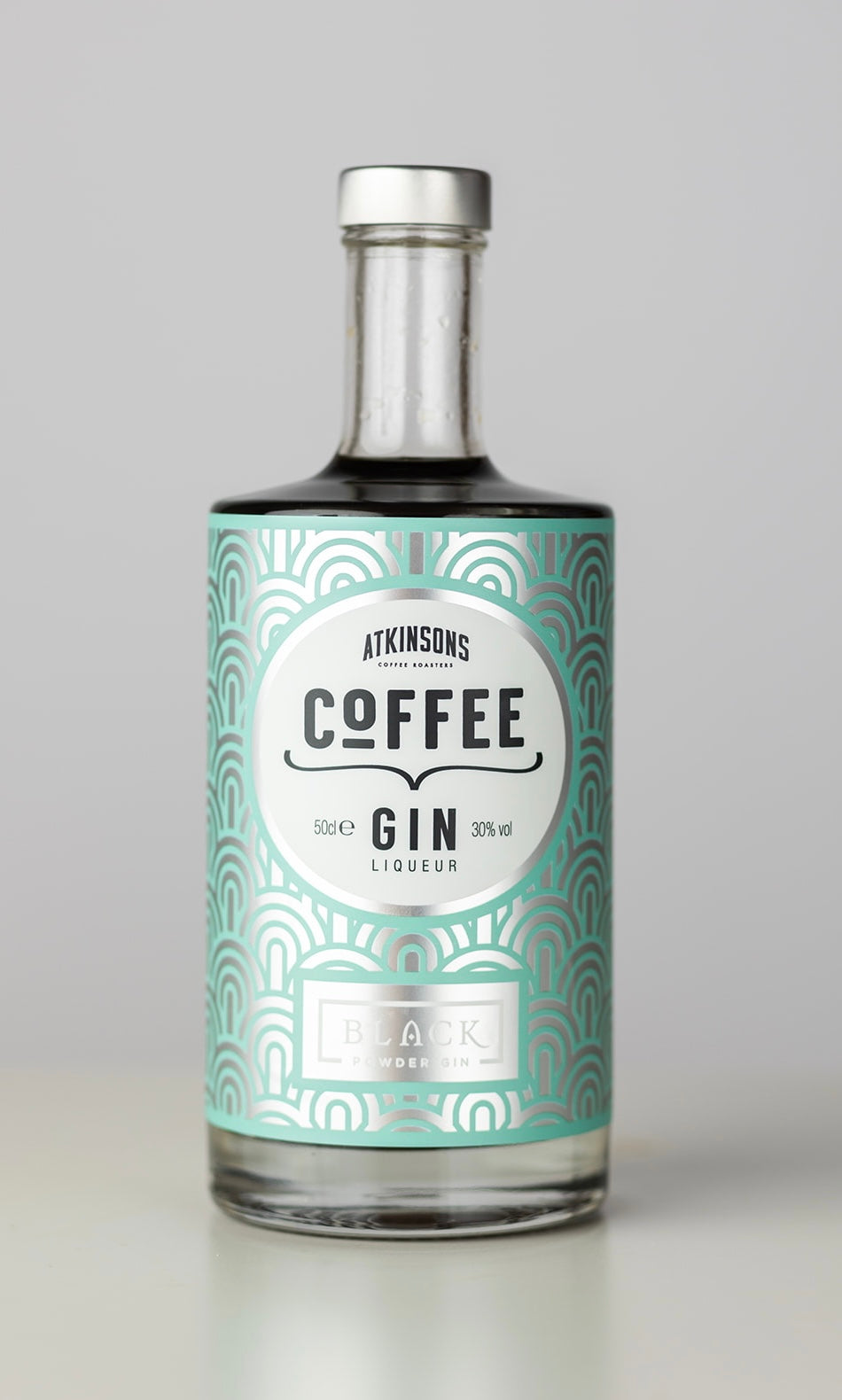
Gin’s history is a fascinating tale, starting with its medicinal origins in the Netherlands as “genever.” It gained popularity in England during the 17th century, becoming a ubiquitous and often unregulated spirit. The “Gin Craze” of the 18th century saw gin become synonymous with social problems, leading to various Gin Acts aimed at controlling its consumption. However, gin eventually evolved into a refined and sophisticated spirit, with a diverse range of botanicals contributing to its distinct character. Juniper berries remain the defining ingredient, but other botanicals such as coriander, citrus peel, and angelica root add layers of complexity.
Historical Context: Coffee’s Global Rise
Coffee, originating in Ethiopia, has a similarly rich and storied past. Its journey from a humble bean to a global phenomenon is marked by cultural significance and economic impact. Coffee houses became centers of intellectual and social exchange, fostering innovation and debate. The development of various brewing methods and the rise of specialty coffee have further elevated its status. Today, coffee is a staple in countless cultures, enjoyed in countless forms.
The Science of Flavor Pairing
The synergy between gin and coffee lies in the intricate interplay of their flavor compounds. Gin’s botanical notes, particularly the citrus and herbal elements, complement coffee’s roasted and often slightly bitter profile. The aromatic compounds found in both beverages interact in unique ways, creating a multi-layered sensory experience. Understanding the science behind flavor pairing can help us appreciate the complexity of this combination.
Aromatic Compounds: The Key to Harmony
Both gin and coffee are rich in volatile aromatic compounds, which contribute to their distinct aromas and flavors. These compounds interact with our olfactory receptors, creating a complex perception of taste. For example, the citrus notes in gin, such as limonene, can enhance the fruity and floral notes in certain coffee varietals. Similarly, the roasted notes in coffee, such as furfuryl alcohol, can complement the spicy and earthy notes in gin.
Bitterness and Sweetness: A Balancing Act
Bitterness is a common characteristic of both gin and coffee, but it can be balanced with sweetness and acidity. The addition of sweeteners, such as sugar or syrups, can soften the bitterness and enhance the other flavor notes. Acidity, often found in citrus fruits or coffee beans, can also contribute to a balanced and refreshing profile. The interplay of these elements is crucial in creating a harmonious gin and coffee concoction.
Classic Cocktails and Modern Innovations
The combination of gin and coffee has inspired a range of cocktails, from classic recipes to innovative creations. Each variation offers a unique perspective on this intriguing pairing, highlighting the versatility of both ingredients.
The Espresso Martini: A Modern Classic
Perhaps the most well-known gin and coffee cocktail is the Espresso Martini. While traditionally made with vodka, gin versions offer a more complex and nuanced flavor profile. The botanical notes of gin, particularly the juniper and citrus, complement the rich and intense flavor of espresso. The key to a great Espresso Martini is using high-quality espresso and balancing the sweetness and bitterness.
The Gin & Tonic Coffee Twist
A simple yet refreshing variation involves adding a shot of cold brew coffee to a classic Gin & Tonic. The bitterness of the tonic water and the botanical notes of the gin are enhanced by the roasted flavor of the coffee. This concoction is particularly appealing during warm weather, offering a stimulating and invigorating experience.
The Coffee Negroni: An Italian Inspired Blend
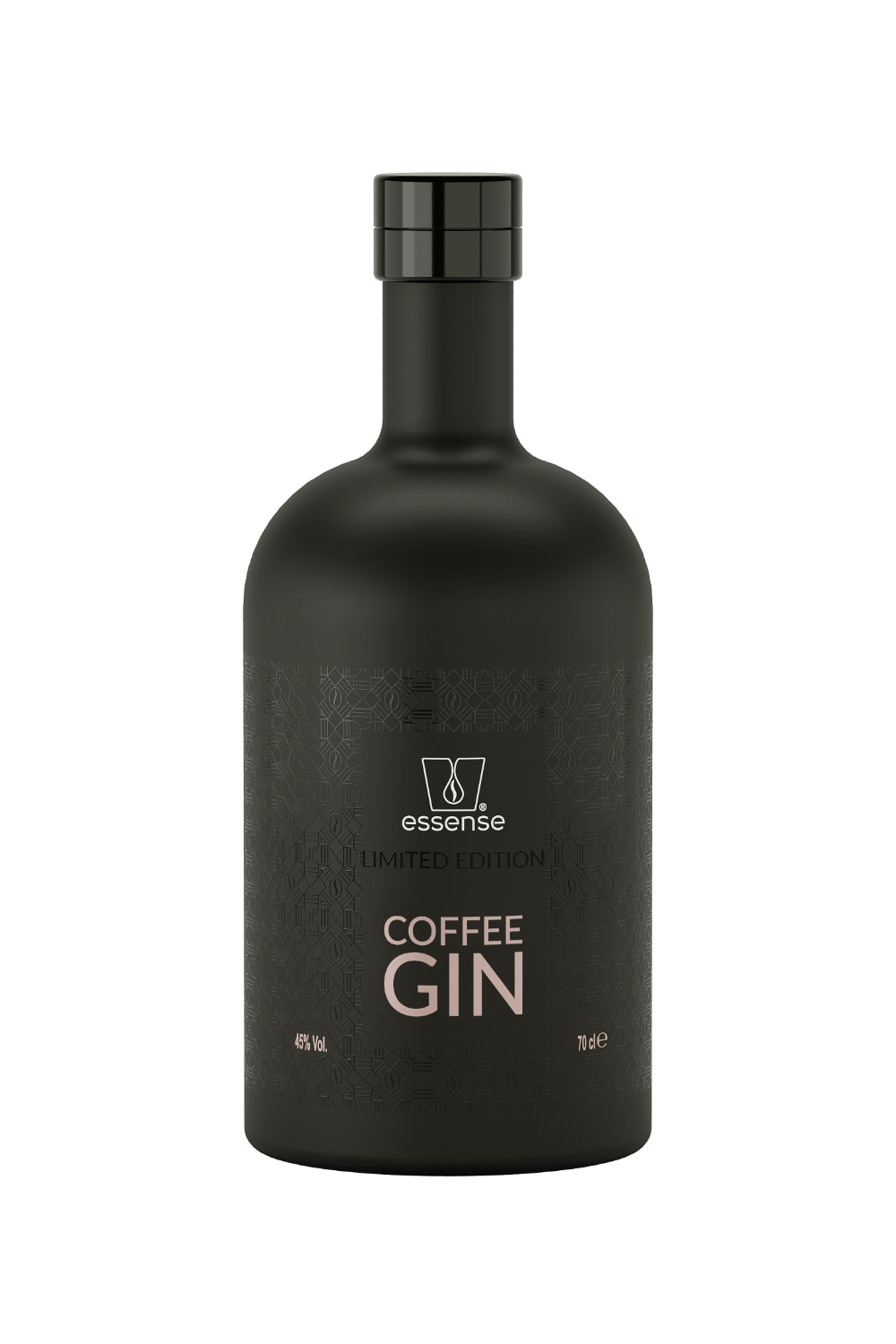
The Negroni, a classic Italian cocktail, can be reimagined with the addition of coffee. This variation typically involves infusing gin with coffee beans or adding a coffee liqueur to the mix. The bitterness of the Campari and the sweetness of the vermouth are balanced by the roasted and slightly bitter notes of the coffee, creating a complex and intriguing cocktail.
Innovative Concoctions: Pushing the Boundaries
Beyond classic recipes, bartenders and mixologists are constantly experimenting with new and innovative gin and coffee combinations. These creations often involve unique ingredients, such as coffee syrups, coffee bitters, and coffee-infused spirits. The use of various brewing methods, such as cold brew and nitro coffee, adds another layer of complexity to these cocktails.
The Art of Brewing and Infusion
The quality of both gin and coffee is paramount in creating a successful fusion. Using high-quality ingredients and employing proper brewing and infusion techniques can significantly enhance the flavor profile of the final product.
Selecting the Right Gin
The choice of gin can significantly impact the flavor of a gin and coffee cocktail. London Dry gins, with their classic juniper-forward profile, are a popular choice. However, other gin styles, such as Old Tom, New Western Dry, and barrel-aged gins, can offer unique and interesting variations. Experimenting with different gin styles can help you discover your preferred pairing.
Choosing the Perfect Coffee
The selection of coffee beans and brewing method is equally important. Different coffee varietals and roast levels offer a wide range of flavor profiles. For example, a light roast Ethiopian coffee might offer fruity and floral notes that complement a citrus-forward gin, while a dark roast Brazilian coffee might offer chocolate and nutty notes that pair well with a spicy gin. Cold brew coffee, with its smooth and low-acid profile, is a popular choice for gin and coffee cocktails.
Infusion Techniques: Enhancing Flavor
Infusion techniques can be used to enhance the flavor of both gin and coffee. Infusing gin with coffee beans can add a roasted and slightly bitter note to the spirit. Similarly, infusing coffee with botanicals, such as citrus peel or spices, can create unique and interesting flavor combinations. Cold infusion, or maceration, is a popular technique for infusing gin and coffee, as it allows for a slow and controlled extraction of flavor.
Gin & Coffee: A Culinary Adventure
The combination of gin and coffee extends beyond cocktails, finding its way into culinary applications. Gin and coffee can be used to create unique and flavorful desserts, sauces, and marinades.
Gin & Coffee Desserts
Gin and coffee can be used to create a range of desserts, such as cakes, ice cream, and truffles. The botanical notes of gin can add a refreshing and aromatic twist to classic coffee desserts. For example, a gin-infused coffee cake or a gin and coffee ice cream can offer a unique and memorable culinary experience.
Gin & Coffee Sauces and Marinades
Gin and coffee can also be used to create savory sauces and marinades. The roasted and slightly bitter notes of coffee can add depth and complexity to meat and vegetable dishes. The botanical notes of gin can complement the flavors of herbs and spices. For example, a gin and coffee marinade can be used to tenderize and flavor meat, while a gin and coffee sauce can be used to enhance the flavor of roasted vegetables.
The Future of Gin & Coffee
The combination of gin and coffee is a testament to the creativity and innovation of the culinary world. As the craft cocktail and specialty coffee movements continue to evolve, we can expect to see even more exciting and innovative gin and coffee creations. The future of this intriguing pairing is bright, offering endless possibilities for exploration and enjoyment.
Sustainability and Ethical Sourcing
As consumers become more aware of the environmental and social impact of their choices, sustainability and ethical sourcing are becoming increasingly important in the gin and coffee industries. Supporting sustainable and ethical practices can help ensure the long-term viability of these beloved beverages.
The Rise of Non-Alcoholic Gin & Coffee
With the increasing popularity of non-alcoholic beverages, we can expect to see the development of non-alcoholic gin and coffee cocktails. These creations offer the same complex and intriguing flavor profiles as their alcoholic counterparts, but without the alcohol content.
The Global Influence
The influence of gin and coffee is spreading globally, with bartenders and baristas around the world experimenting with new and innovative combinations. The fusion of these two beloved beverages is a testament to the universal appeal of flavor and aroma, transcending cultural boundaries and inspiring