
The Steaming Symphony: Unpacking the World of Java coffee
Java, the island, the name synonymous with robust, bold coffee. It’s a name that echoes through history, conjuring images of colonial trade routes and the global spread of a beloved beverage. But what exactly is “Java coffee”? Is it simply coffee grown on the island of Java? Or is there more to the story, a deeper dive into the beans, the cultivation, and the distinct characteristics that make it a legend? Let’s embark on a 3000-word journey to explore the rich tapestry of Java coffee.
Java, a volcanic island in Indonesia, boasts a unique terroir that contributes significantly to the quality of its coffee. The island’s fertile volcanic soil, high altitudes, and tropical climate provide the perfect conditions for Arabica coffee cultivation. This ideal environment, coupled with centuries of experience, has cemented Java’s reputation as a premier coffee-producing region.

Volcanic Soil: A Nutrient Powerhouse: The rich volcanic soil, laden with minerals and nutrients, nourishes the coffee trees, resulting in beans with complex flavor profiles.
The story of Java coffee is inextricably linked to the Dutch East India Company (VOC) and their colonial endeavors. In the late 17th century, the VOC introduced Arabica coffee plants to Java, establishing the island as one of the first major coffee-producing regions outside of Ethiopia and Arabia.
The Dutch Influence: Pioneering Coffee Cultivation: The VOC’s systematic approach to coffee cultivation, including the establishment of large plantations and the implementation of strict quality control measures, laid the foundation for Java’s coffee industry.
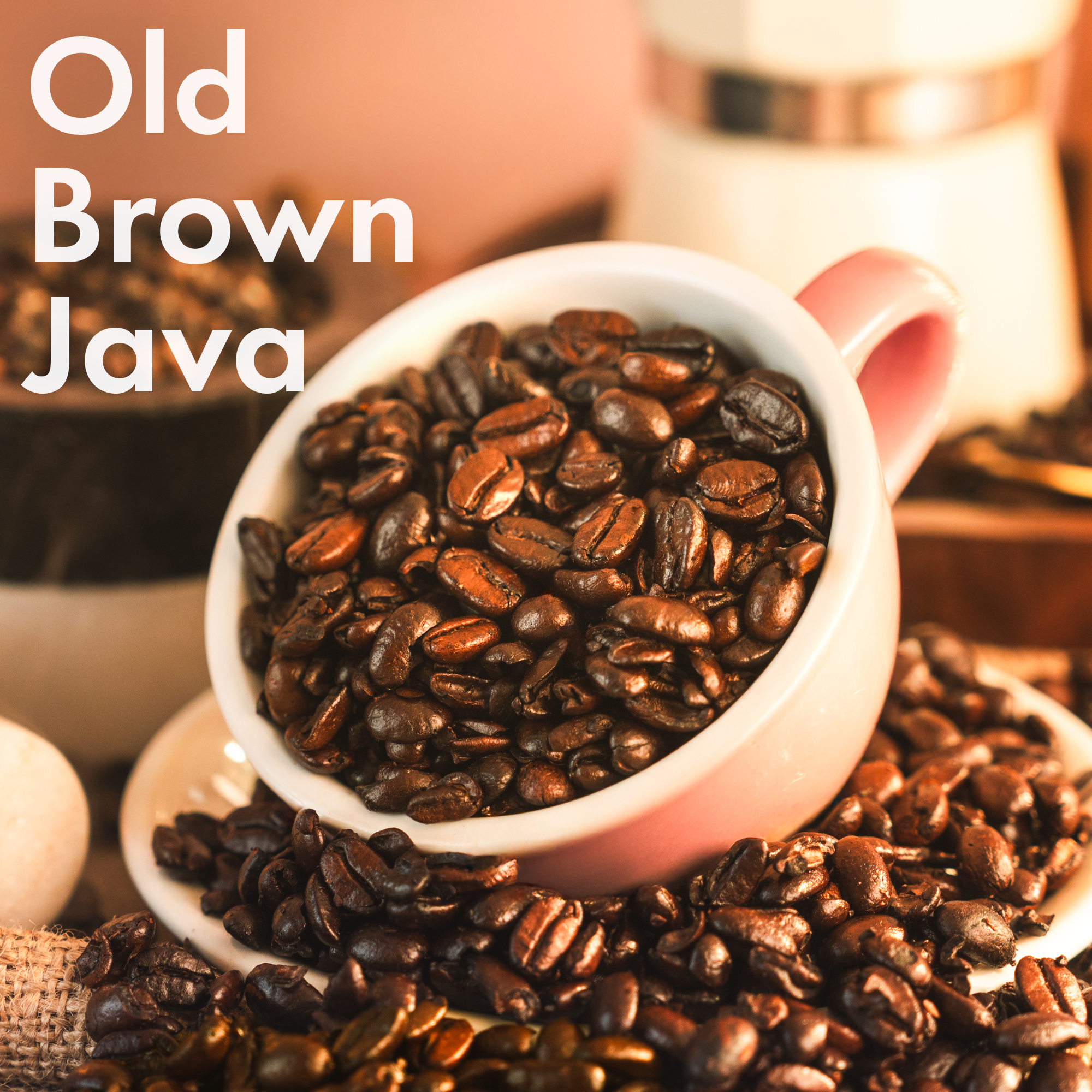
Java coffee is celebrated for its distinctive flavor profile, characterized by its full body, low acidity, and earthy, often spicy, notes. While the specific flavor profile can vary depending on the region, processing method, and varietal, certain characteristics remain consistent.
Body: Full and Robust: Java coffee typically exhibits a full body, providing a satisfying and substantial mouthfeel.
Java’s diverse topography and microclimates contribute to the variations in flavor profiles across different regions. Some of the notable coffee-producing regions include:
Ijen Plateau: A High-Altitude Haven
The Ijen Plateau, located in East Java, is known for its high-altitude plantations and unique volcanic landscape.
Kayumas: A Legacy of Quality
The Kayumas region, also in East Java, has a long history of producing high-quality Arabica coffee.
Pangalengan: West Java’s Highland Treasure
Pangalengan, in West Java, is a region with cooler temperatures and high rainfall.
Preanger: A Historical Region of Distinction
The Preanger region in West Java has a rich history of coffee cultivation.
The processing method plays a crucial role in shaping the final flavor profile of Java coffee. The most common processing methods used in Java include:
Washed Processing: Clean and Bright
Washed processing involves removing the coffee cherry’s pulp before drying the beans.
Semi-Washed Processing: A Balance of Flavors
Semi-washed processing, also known as wet-hulled or giling basah, involves removing the pulp and partially drying the beans before hulling.
Natural Processing: Fruity and Complex
Natural processing involves drying the coffee cherries with the pulp intact.
To fully appreciate the unique characteristics of Java coffee, it’s essential to use appropriate brewing methods.
French Press: A Full-Bodied Brew
Pour-Over: Highlighting Nuances
Espresso: A Bold and Intense Shot
Despite the challenges posed by climate change and fluctuating market prices, Java coffee continues to be a sought-after specialty coffee. The island’s commitment to quality, combined with its rich history and unique terroir, ensures that Java coffee will remain a staple in the world of specialty coffee.
Sustainability and Ethical Practices: Many coffee producers in Java are adopting sustainable and ethical practices, focusing on environmental conservation and fair treatment of farmers.
In conclusion, Java coffee is more than just a beverage; it’s a testament to the island’s rich history, unique terroir, and dedication to quality. From its colonial beginnings to its modern-day resurgence in the specialty coffee world, Java coffee continues to captivate coffee lovers with its distinctive flavor profile and enduring legacy. It’s a steaming symphony, a complex melody of earth, spice, and sweetness, brewed from the heart of a volcanic paradise.