
The Evolution of the coffee Cup: A Model for Cultural and Technological Change
The humble coffee cup, seemingly a simple vessel, serves as a fascinating lens through which to examine the evolution of human society, technology, and culture. Spanning millennia and encompassing diverse materials and designs, the coffee cup’s journey reflects our changing habits, aesthetic preferences, and the very ways we interact with the world around us. This article will explore the coffee cup’s development, highlighting key models and their significance, and how it mirrors broader societal transformations.
The Origins of Drinking Vessels
Long before coffee’s introduction, humans used various containers for liquids. Natural materials like gourds, animal horns, and shells were among the earliest forms of drinking vessels. As civilizations developed, pottery emerged, providing more durable and customizable options. These early vessels were primarily functional, designed to hold liquids without spillage, and their forms were dictated by available materials and basic crafting techniques.
The Introduction of Ceramic and Metal
The advent of ceramic and metalworking significantly impacted the development of drinking vessels. Clay allowed for the creation of standardized shapes and sizes, while metals like bronze and later, iron, offered durability and heat retention. These advancements laid the groundwork for the more specialized forms that would later emerge.
The Coffee Revolution and its Impact
The introduction of coffee to the Middle East and then Europe triggered a revolution in social habits. Coffeehouses became centers of intellectual and social exchange, fostering new forms of communication and interaction. This burgeoning coffee culture demanded specialized vessels that reflected the drink’s prestige and the rituals surrounding its consumption.
The Influence of Porcelain and Fine China
Porcelain, originating in China, became highly prized in Europe for its delicate beauty and heat-retaining properties. The production of fine china coffee cups became an art form, with intricate designs and elaborate decorations reflecting the wealth and status of the owner. These cups were not merely functional; they were symbols of refinement and sophistication.
The Development of the Coffee Canister and Mug
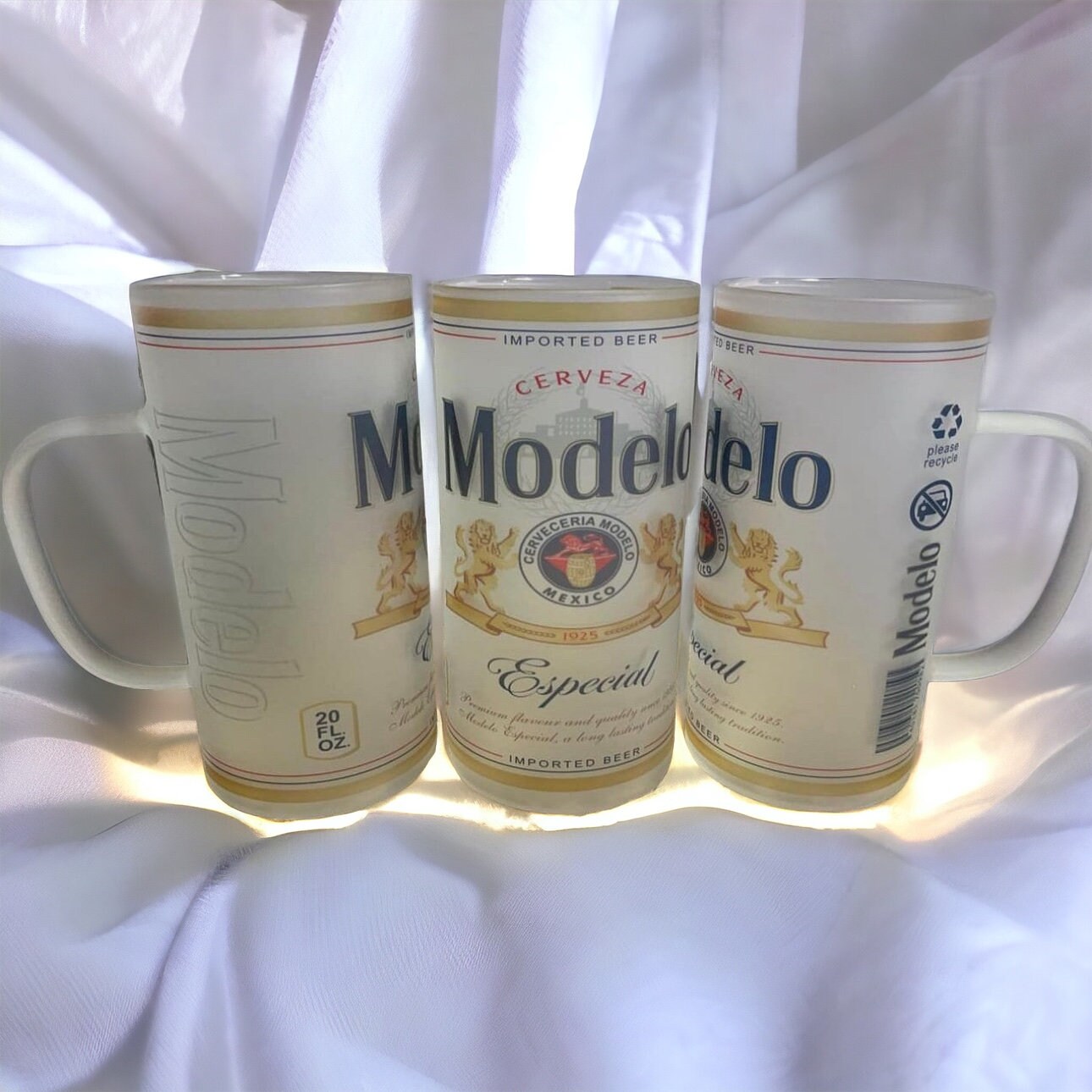
Alongside the elegant porcelain cups, more utilitarian forms emerged. The coffee canister, a cylindrical vessel with a handle, became popular for everyday use. This form emphasized practicality and ease of use, reflecting the growing accessibility of coffee to wider segments of society. The mug, a larger and sturdier version, also gained traction, particularly among working-class individuals seeking a substantial and warming beverage.
The Impact of the Industrial Revolution
The Industrial Revolution brought about significant changes in the production of coffee cups. Mass production techniques, such as the use of molds and automated kilns, allowed for the creation of standardized and affordable cups. This democratization of coffee consumption meant that even the working class could enjoy the beverage in a dedicated vessel.
The Emergence of Enamelware and Glass
Enamelware, a durable and inexpensive material, became popular for coffee cups in the late 19th and early 20th centuries. Its resistance to chipping and its ability to withstand high temperatures made it ideal for everyday use. Glass, another material that became widely available during this period, offered a transparent alternative, allowing consumers to appreciate the color and consistency of their coffee.
The Rise of Advertising and Branding
The mass production of coffee cups coincided with the rise of advertising and branding. Companies began to use coffee cups as a canvas for promoting their products and services. Printed logos, slogans, and images transformed the humble cup into a powerful marketing tool.
The Advent of Disposable Cups
The 20th century saw the introduction of disposable coffee cups, initially made from waxed paper and later from polystyrene and plastic. These cups offered convenience and hygiene, particularly in fast-paced environments. However, their environmental impact became a growing concern.
The Rise of Travel Mugs and Thermal Insulation
As lifestyles became increasingly mobile, the demand for portable coffee solutions increased. Travel mugs, designed to keep coffee hot or cold for extended periods, emerged as a popular alternative. Thermal insulation technologies, such as double-walled construction and vacuum sealing, further enhanced the performance of these mugs.
The Focus on Sustainability and Eco-Friendly Materials
In recent years, there has been a growing awareness of the environmental impact of disposable coffee cups. This has led to a surge in demand for reusable and sustainable alternatives. Companies are exploring new materials, such as bamboo fiber, recycled plastics, and biodegradable polymers, to create eco-friendly coffee cups.
The Smart Coffee Cup and Technological Integration
The integration of technology into everyday objects has also extended to coffee cups. Smart coffee cups, equipped with heating elements, temperature sensors, and Bluetooth connectivity, allow users to control the temperature of their beverage from their smartphones. These innovations reflect the increasing convergence of technology and daily life.
The Coffee Cup as a Symbol of Social Interaction
The coffee cup is more than just a functional object; it is a symbol of social interaction. Sharing a cup of coffee is often a way to connect with others, to build relationships, and to foster a sense of community. Coffeehouses, where people gather to drink coffee and converse, are testament to this social function.
The Coffee Cup as a Reflection of Personal Style
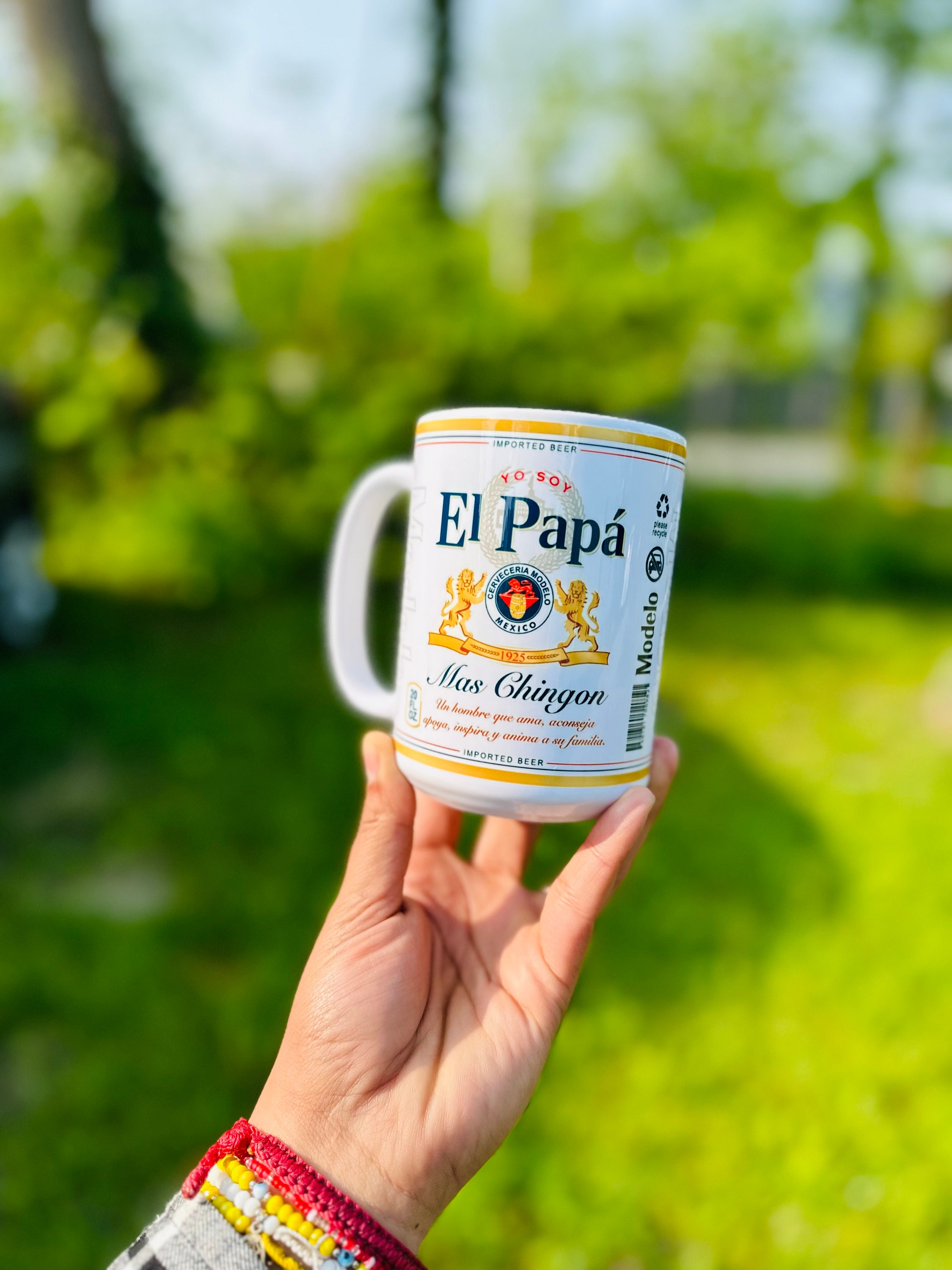
The choice of coffee cup can also reflect an individual’s personal style and preferences. From elegant porcelain cups to quirky novelty mugs, the wide variety of designs available allows consumers to express their individuality.
The Coffee Cup in Art and Literature
The coffee cup has also found its way into art and literature, serving as a motif for various themes. It can represent comfort, routine, or even alienation. Artists and writers have used the coffee cup to explore the complexities of modern life and the human condition.
Continued Innovation in Materials and Design
The future of the coffee cup will likely see continued innovation in materials and design. Sustainable materials, smart technologies, and personalized designs will shape the next generation of coffee cups.
The Importance of Sustainability and Ethical Consumption
As environmental concerns continue to grow, the focus on sustainability and ethical consumption will become even more critical. Consumers will increasingly demand coffee cups that are not only functional and stylish but also environmentally friendly and socially responsible.
The Enduring Cultural Significance of the Coffee Cup
Despite the technological advancements and changing social habits, the cultural significance of the coffee cup is likely to endure. It will continue to serve as a symbol of social interaction, personal expression, and the shared human experience. The coffee cup, in its various forms, will remain a constant companion in our daily lives, reflecting our evolving relationship with the world around us.
The journey of the coffee cup, from its humble beginnings as a simple drinking vessel to its current status as a technologically advanced and culturally significant object, provides a compelling narrative of human ingenuity and adaptation. It is a testament to the power of a seemingly simple object to reflect the complexities of human society and the ever-changing landscape of our world.