
A Deep Dive into the Humble coffee Scoop: More Than Just a Measure
Coffee. For many of us, it’s not just a drink; it’s a ritual. The comforting aroma that fills the kitchen in the morning, the first warm sip that awakens the senses, the quiet moment of reflection before the day begins. And at the heart of this ritual, often overlooked and underappreciated, is a simple, unassuming tool: the coffee scoop. We see it every day, perhaps tucked into a bag of beans, hanging on a hook, or resting in a drawer. It’s a tool we use without a second thought, yet its role is fundamental to the entire coffee-making process. This article is a tribute to the humble coffee scoop, a deep dive into its history, its purpose, and why choosing the right one is more important than you might think for achieving that perfect cup.
The seemingly straightforward act of scooping coffee is, in fact, the first step in a chain of events that leads to your daily dose of caffeine. The amount of coffee you use is the single most important variable in brewing. Too little, and your coffee will be weak, watery, and lackluster. Too much, and it will be over-extracted, bitter, and unpleasant. The coffee scoop, in its most basic form, is designed to provide a consistent measure, ensuring that each cup you brew is as delicious as the last.
Let’s talk about the standard. The most common coffee scoop you’ll encounter is a two-tablespoon measure. This is the industry standard, and it’s the basis for most coffee-to-water ratios. A quick search will reveal countless recommendations, with many experts suggesting a ratio of one to two scoops per six ounces of water. But what does that really mean? A typical coffee scoop holds about 10 grams of coffee, which translates to roughly 0.35 ounces. So, a standard scoop is a convenient way to measure out the recommended amount for a single serving.
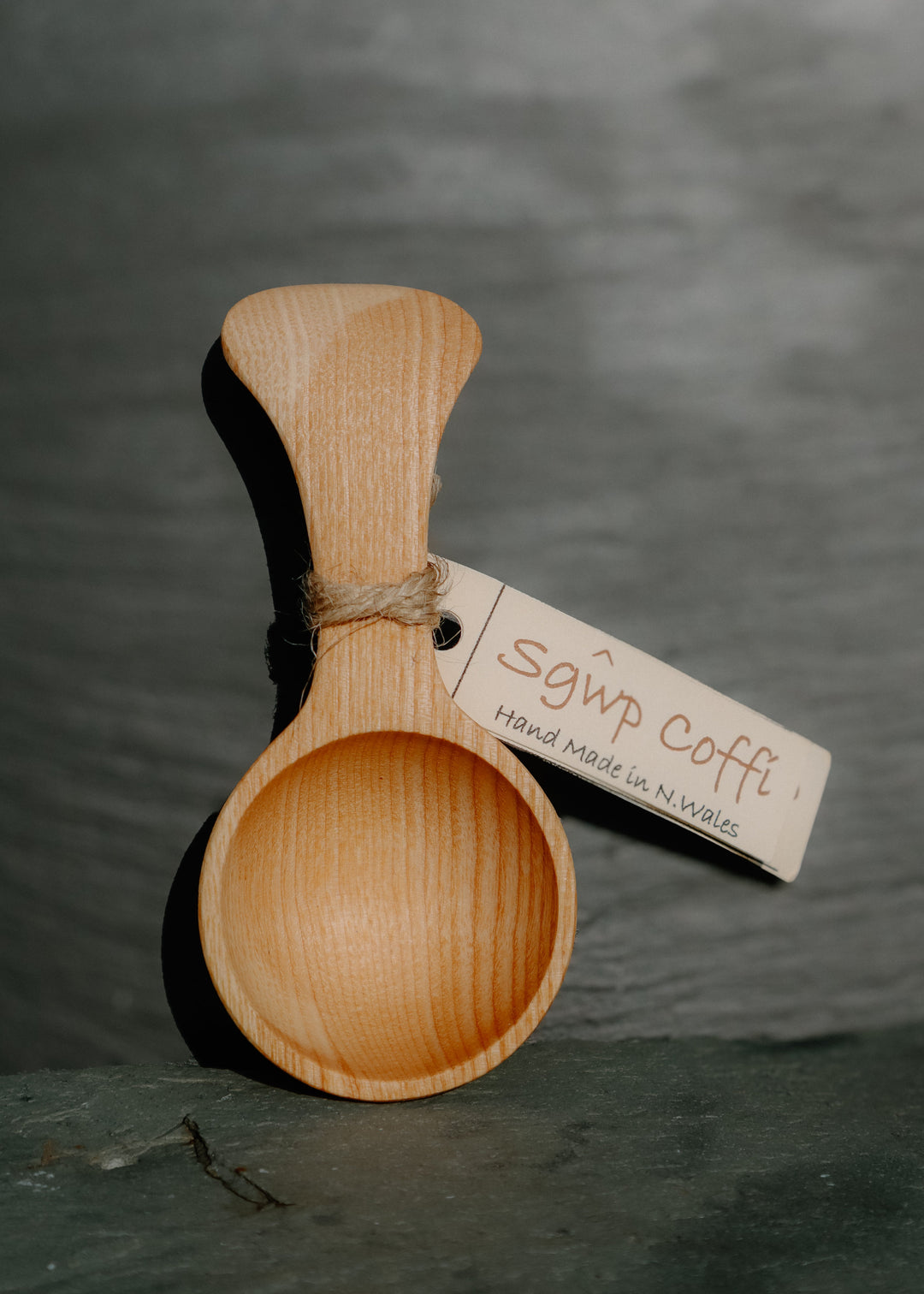
But the world of coffee scoops is far from one-size-fits-all. You’ll find them in a variety of materials, each with its own advantages and disadvantages. Plastic scoops are the most common, often included free with a bag of pre-ground coffee. They are lightweight, inexpensive, and get the job done. However, they can be flimsy and are prone to breaking over time. Stainless steel scoops, on the other hand, are a step up in both quality and durability. They have a satisfying heft, are easy to clean, and are virtually indestructible. Many are beautifully designed, with long handles that make it easy to reach the bottom of a large coffee container without getting your hands messy. Wooden scoops offer a rustic, artisanal feel, often hand-carved and unique. They are a pleasure to hold and can add a touch of warmth to your coffee station.
Beyond the material, the design of the scoop itself varies. Some have short handles, ideal for scooping from a small tin. Others have long handles, perfect for a deep bag. You can even find scoops with built-in clips, allowing you to seal your coffee bag after measuring. This seemingly small feature is a brilliant example of thoughtful design, combining two essential coffee tools into one convenient item. A scoop with a clip not only ensures you have your measuring tool handy but also helps to keep your beans fresh by protecting them from air and moisture, which are the enemies of coffee freshness.
For the true coffee aficionado, the coffee scoop can be a statement piece, an extension of their passion. Specialty scoops exist that are meticulously crafted to hold specific gram measurements, allowing for a level of precision that a standard scoop can’t always provide. These scoops are often used in conjunction with a digital scale, but for everyday brewing, they offer a convenient way to get close to a precise measurement without the extra step. Some scoops even have clever designs that allow you to level off the coffee, much like you would with a baking measure, ensuring a more accurate volume every time.
The history of the coffee scoop is intertwined with the history of coffee itself. As coffee became a staple in homes around the world, the need for a consistent way to measure it arose. Early scoops were likely simple spoons or even just a handful of beans. As coffee culture evolved, so too did the tools used to prepare it. The standardization of the two-tablespoon scoop was a logical step, making it easier for people to follow brewing instructions and achieve predictable results.
Choosing the right coffee scoop for you depends on your personal preferences and brewing habits. If you’re a casual coffee drinker who uses a drip machine, a standard plastic or metal scoop will work just fine. If you’re a coffee connoisseur who grinds your own beans and is particular about your ratios, a specialty scoop or a digital scale might be more your speed. If you appreciate beautiful craftsmanship and want your tools to reflect your passion, a hand-carved wooden scoop or a sleek stainless steel design could be the perfect choice.
In conclusion, the coffee scoop is far more than just a piece of plastic or metal. It’s a key player in the daily ritual of coffee making. It’s a tool of consistency, a guardian of flavor, and for those who appreciate the details, it can be a beautiful object in its own right. So the next time you reach for your scoop, take a moment to appreciate this simple, yet essential, tool. It’s the starting point for that perfect cup, the quiet hero of your morning routine.